

Activities
Home / ActivitiesIntensive Collaboration Camp
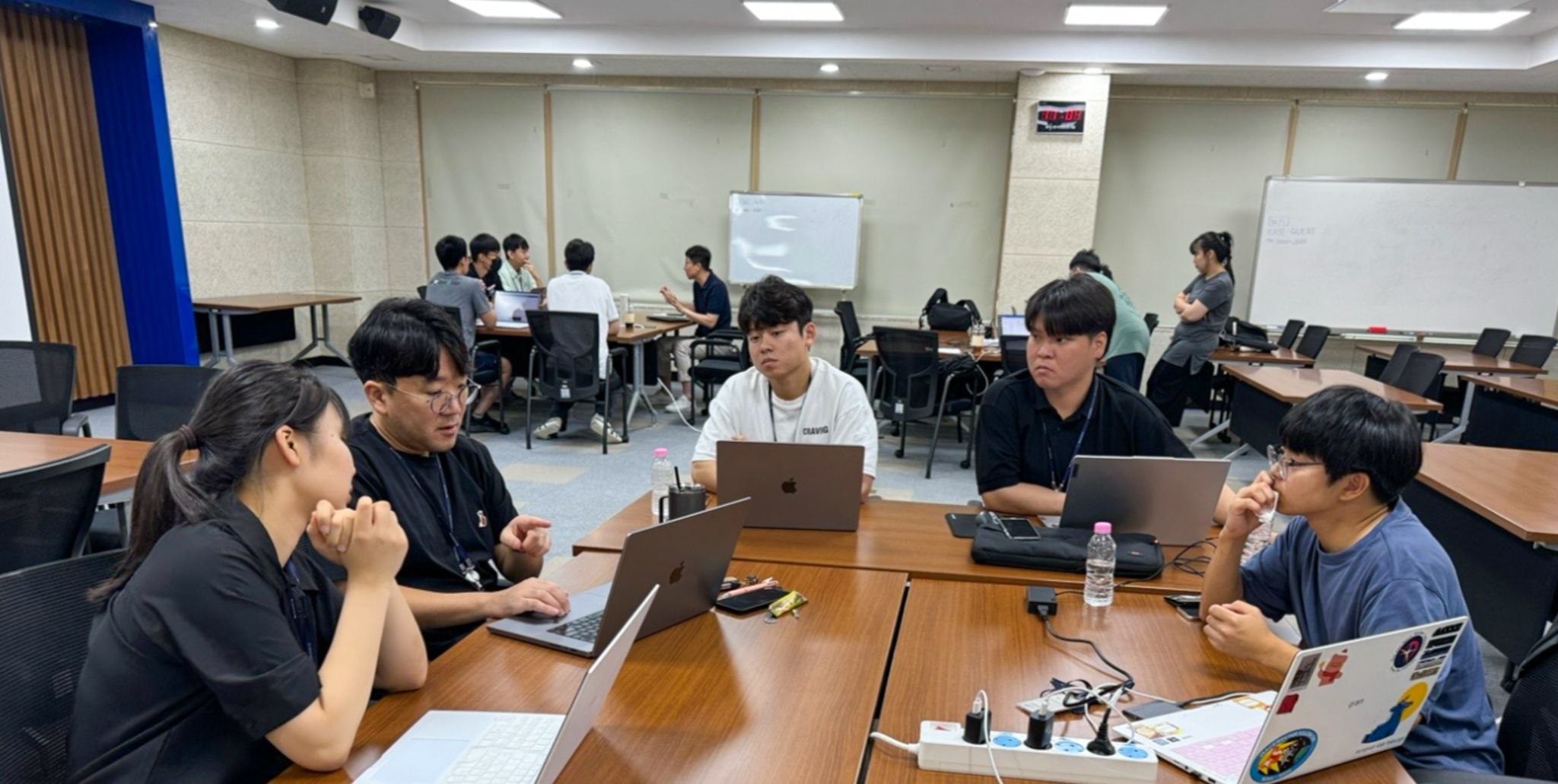
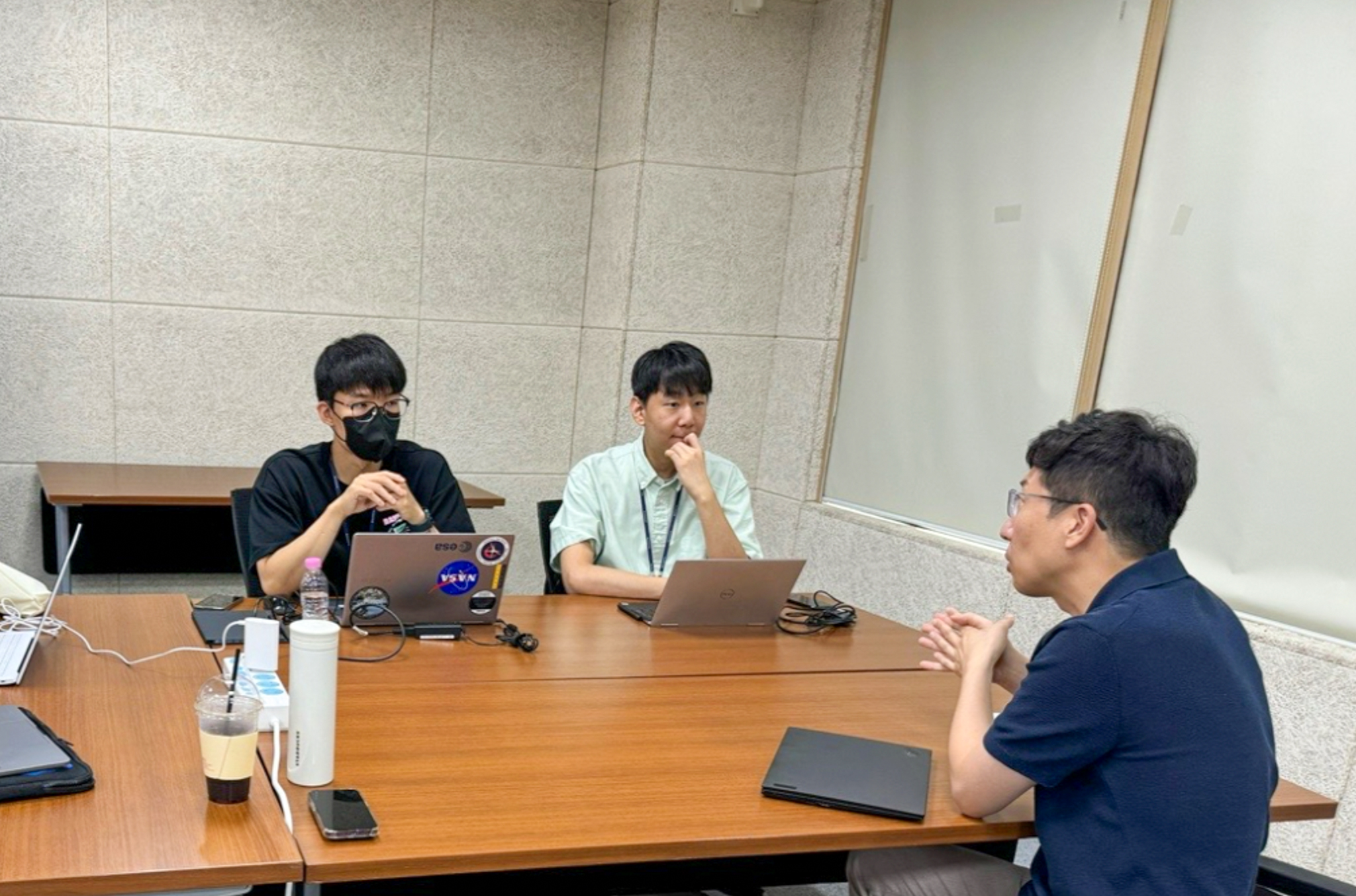
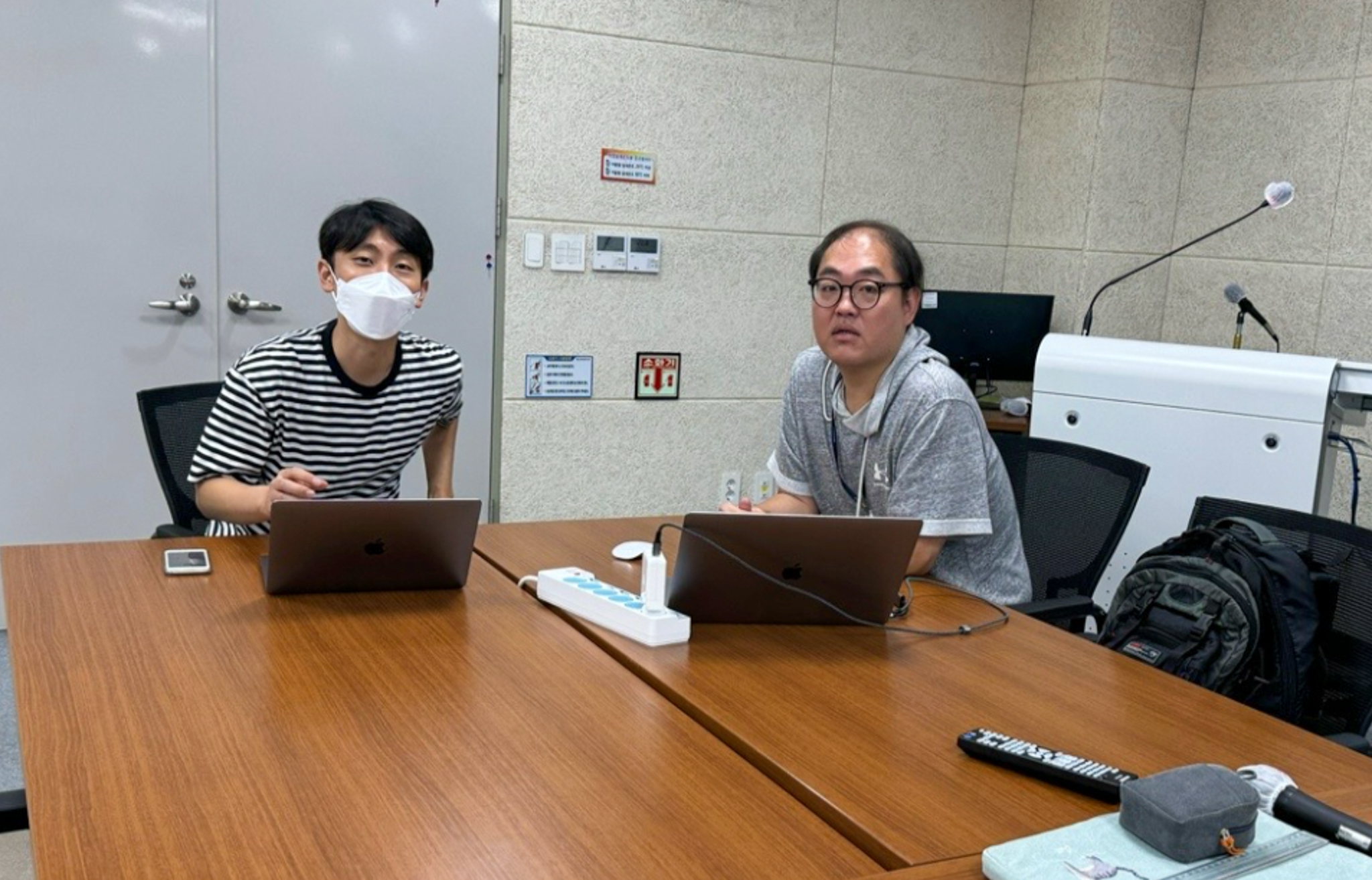
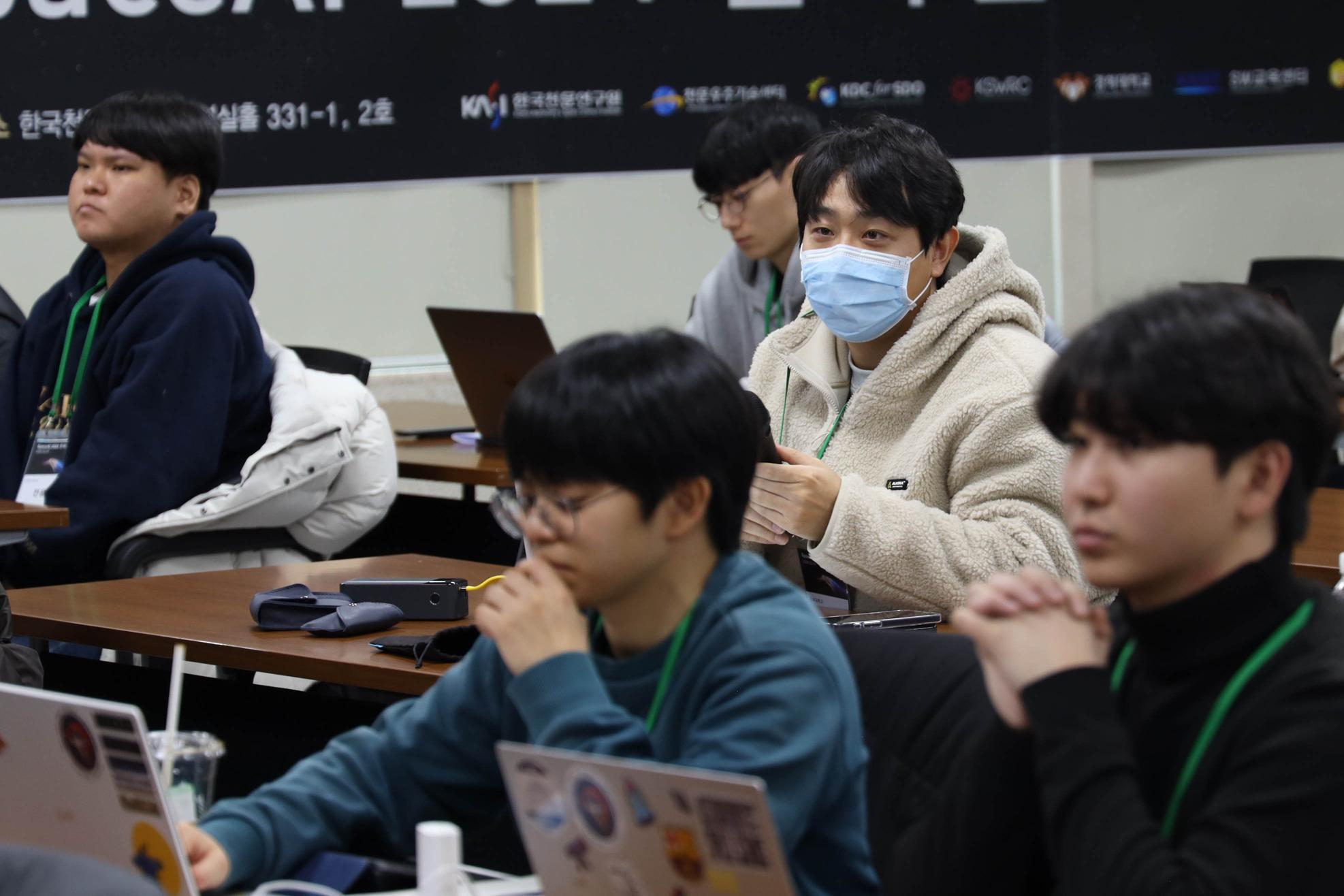
During the SpaceAI 2024 program, experts gathered to intensively carry out AI model development and evaluation for a total of nine space-science research projects identified through the program.
- • Re-discussion on the appropriateness of research goals, scope, and methodology
- • Detailed review of input/output data for the defined datasets
- • Preparation of dataset I/O materials (collection, preprocessing, etc.)
- • Exploration of candidate AI models and analysis of their pros and cons
- • Development and evaluation of beta-version AI models using the prepared datasets
- • Discussion on improvements and next steps for the AI models
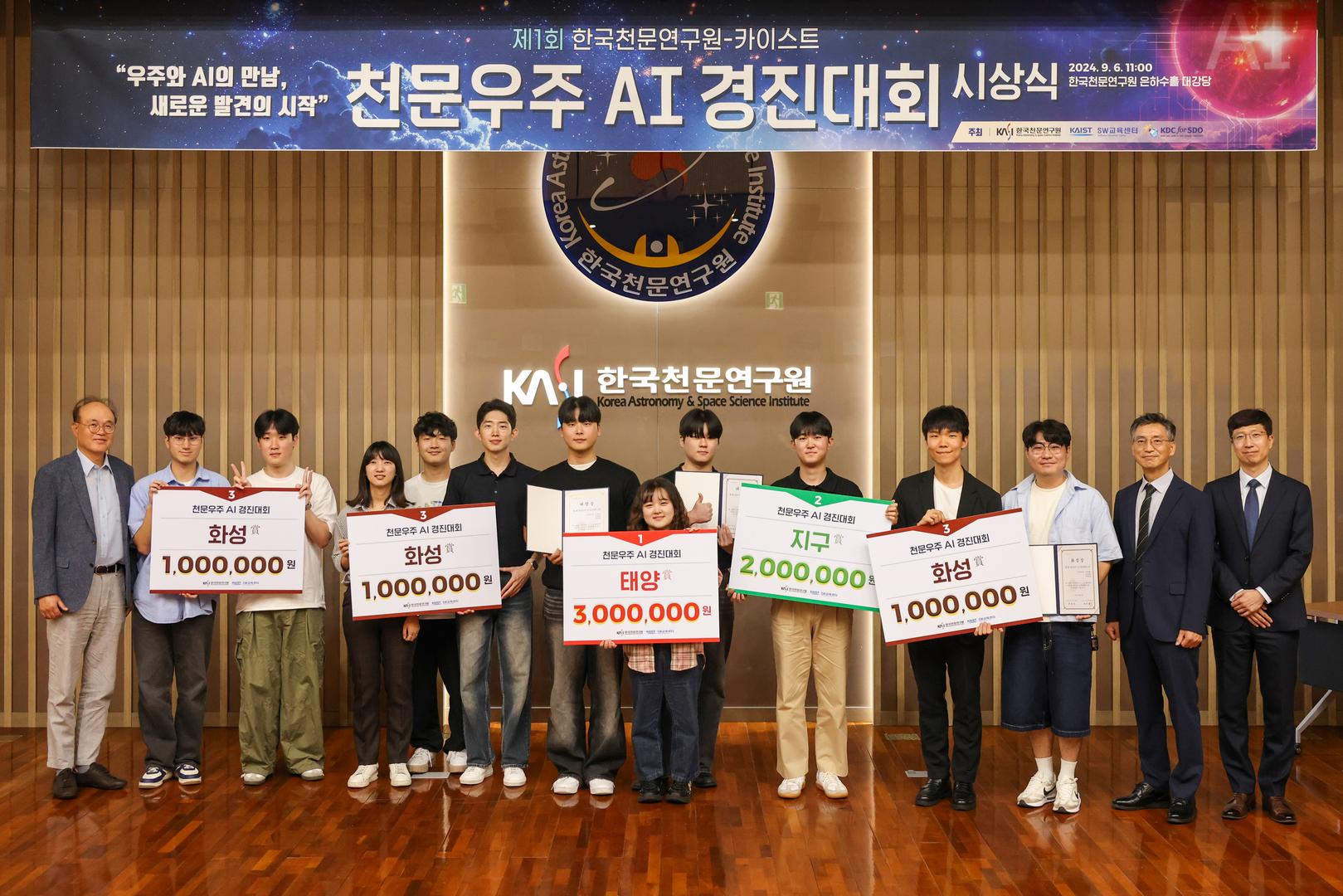
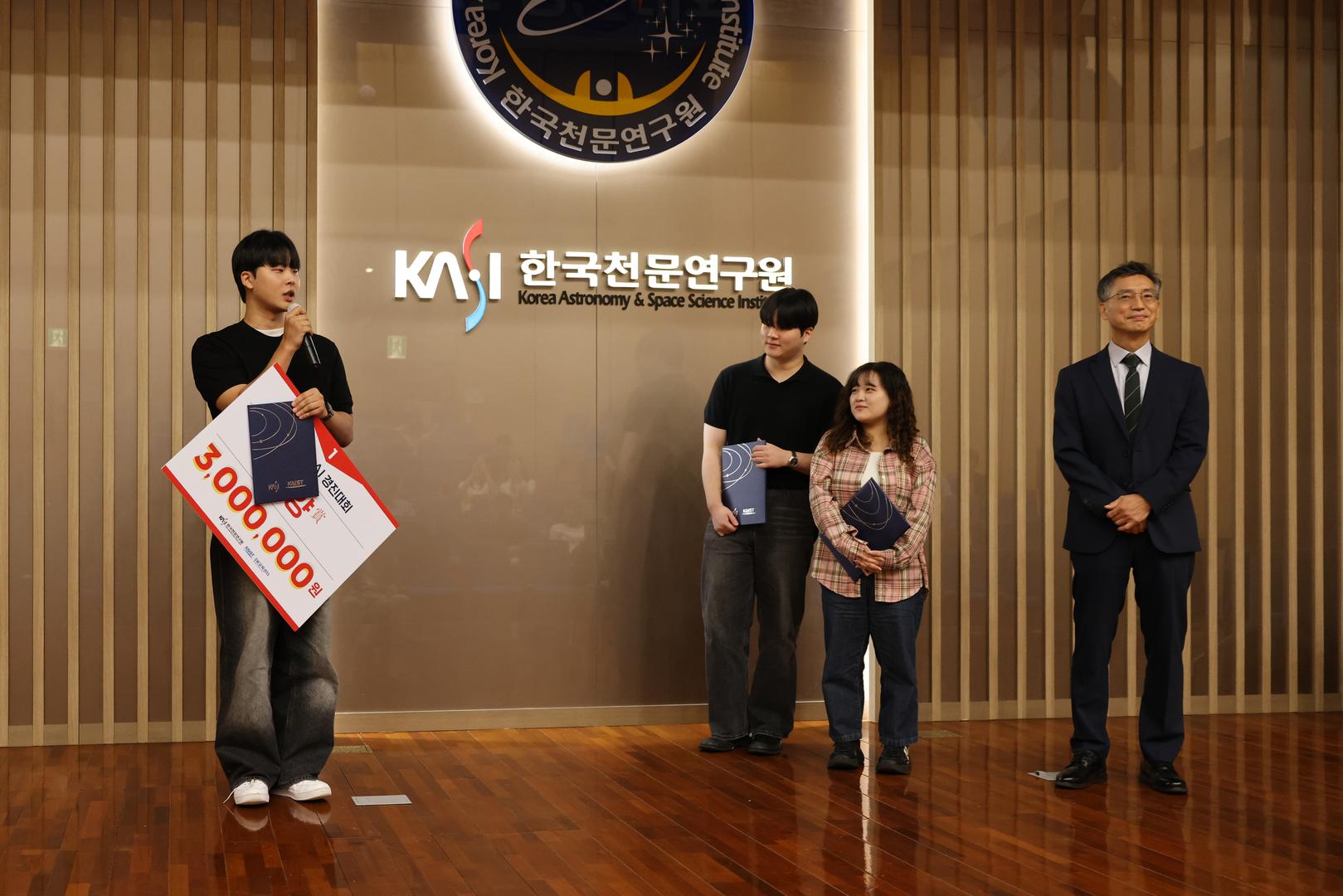
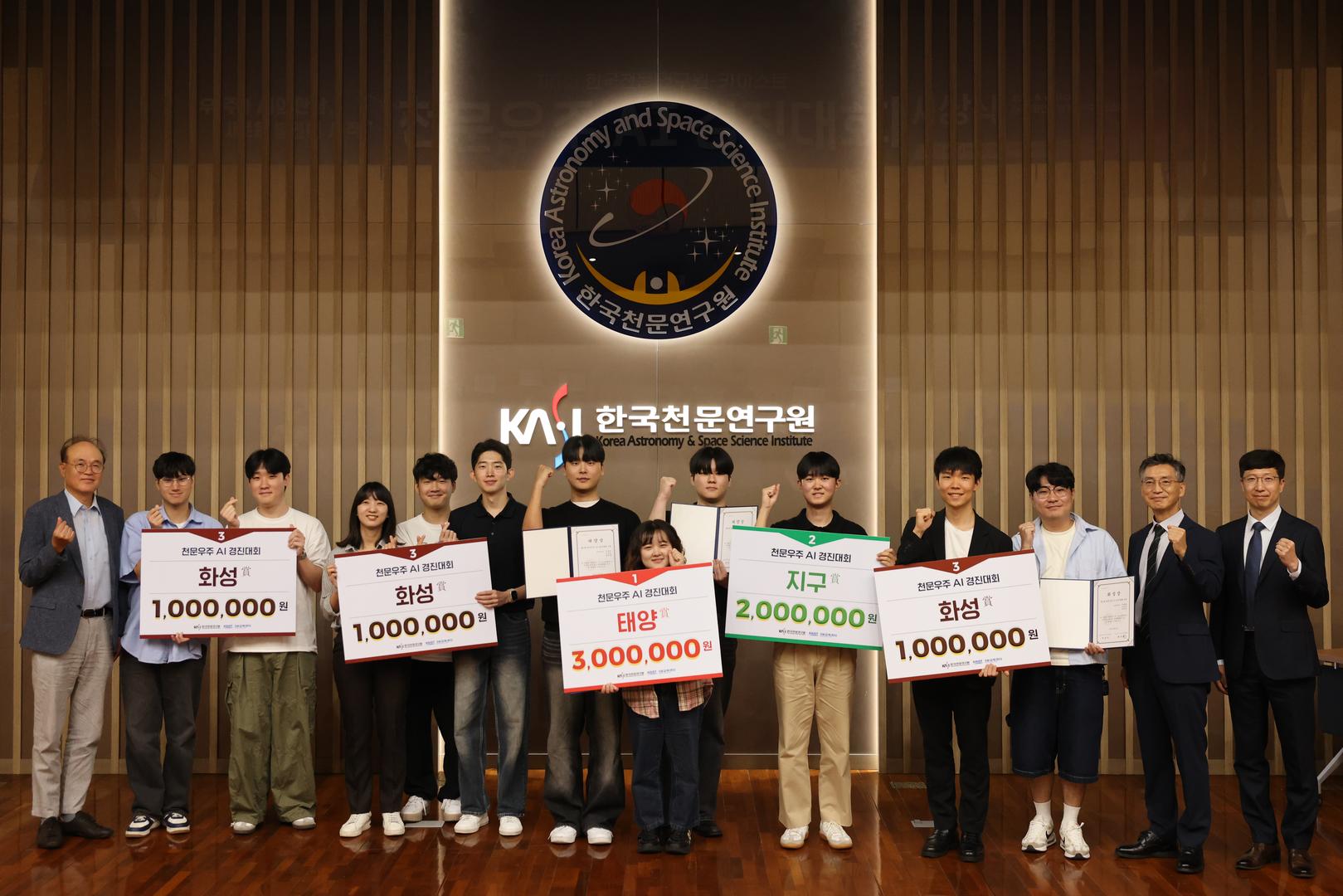
The 1st KASI–KAIST Astronomy & Space AI Competition
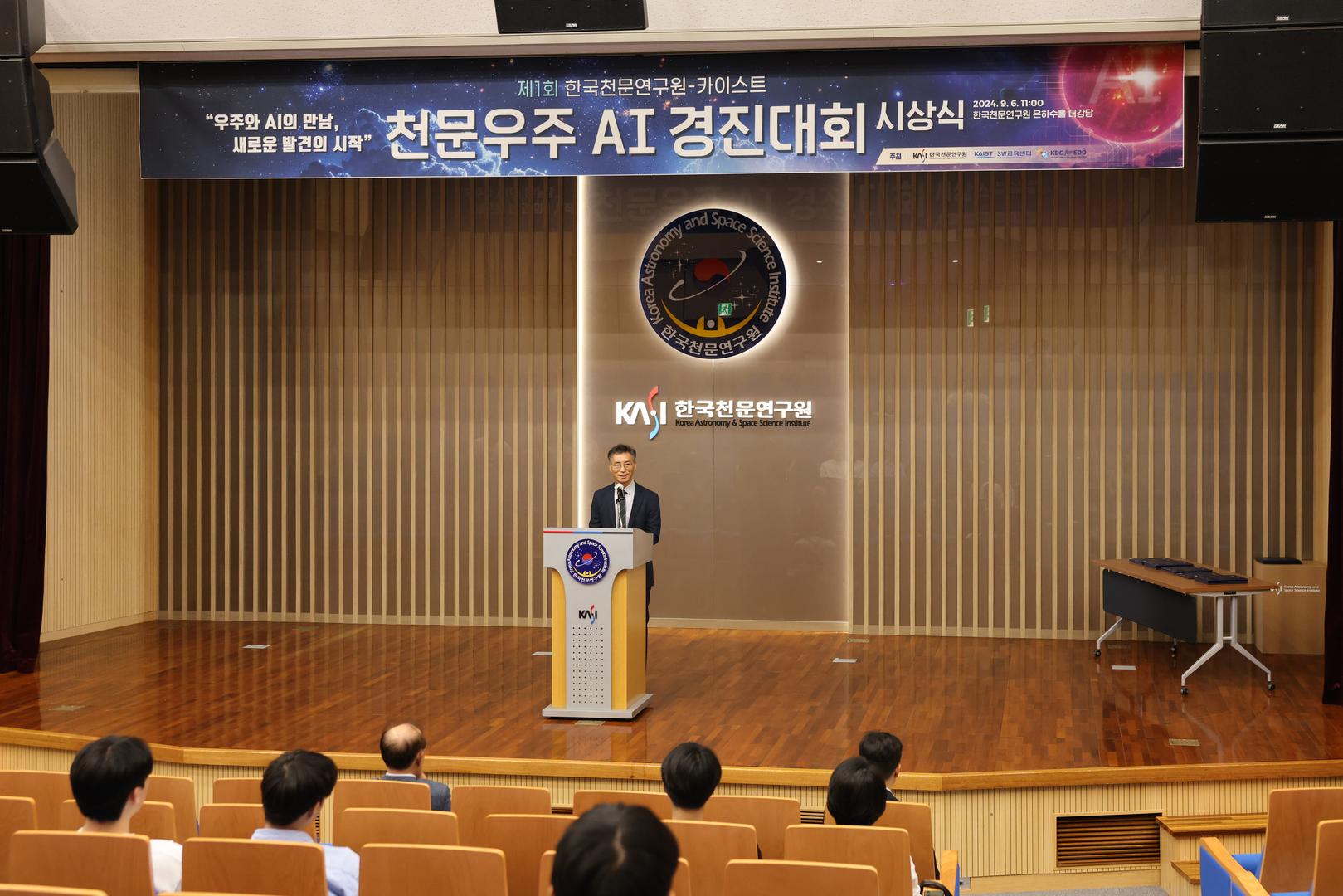
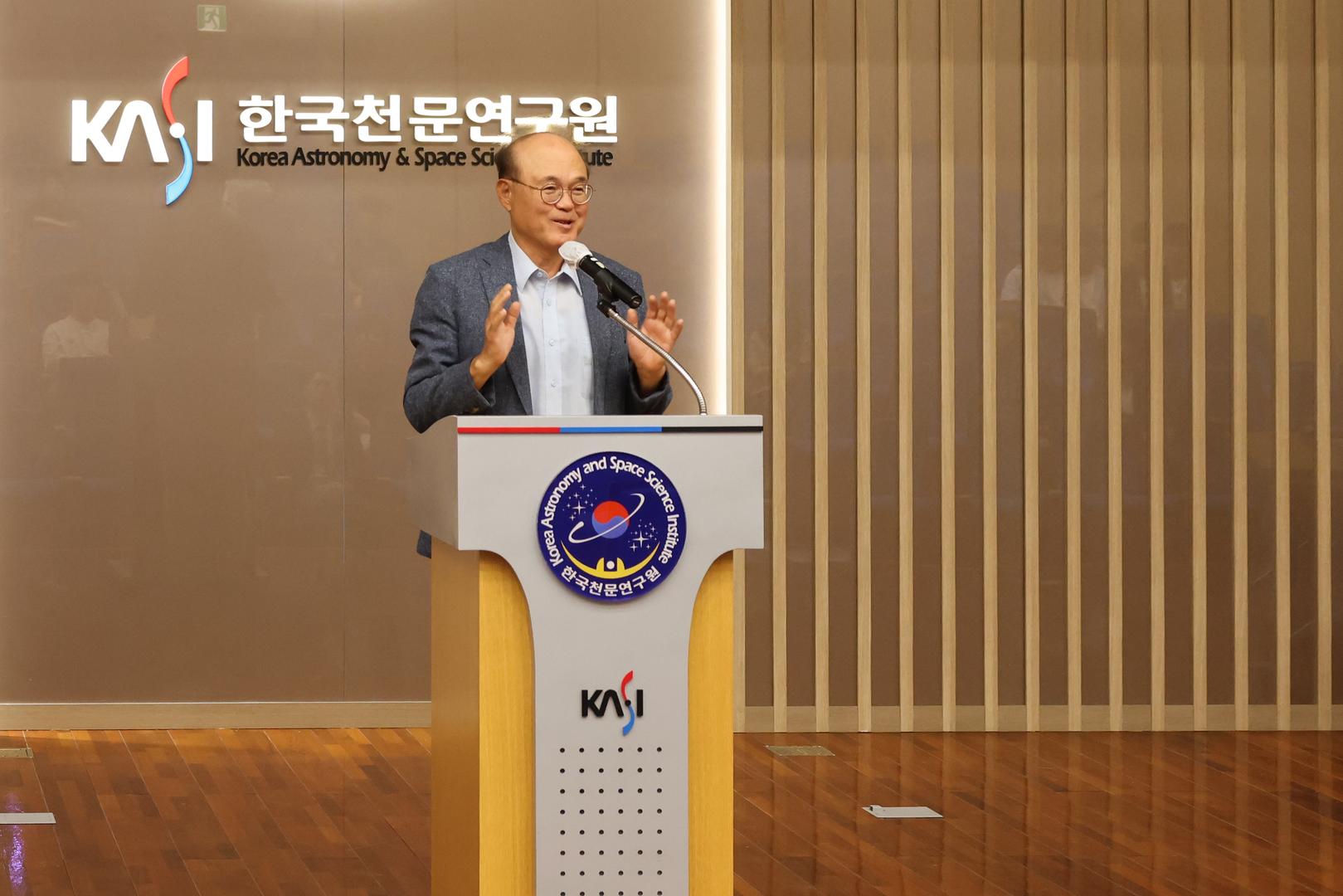
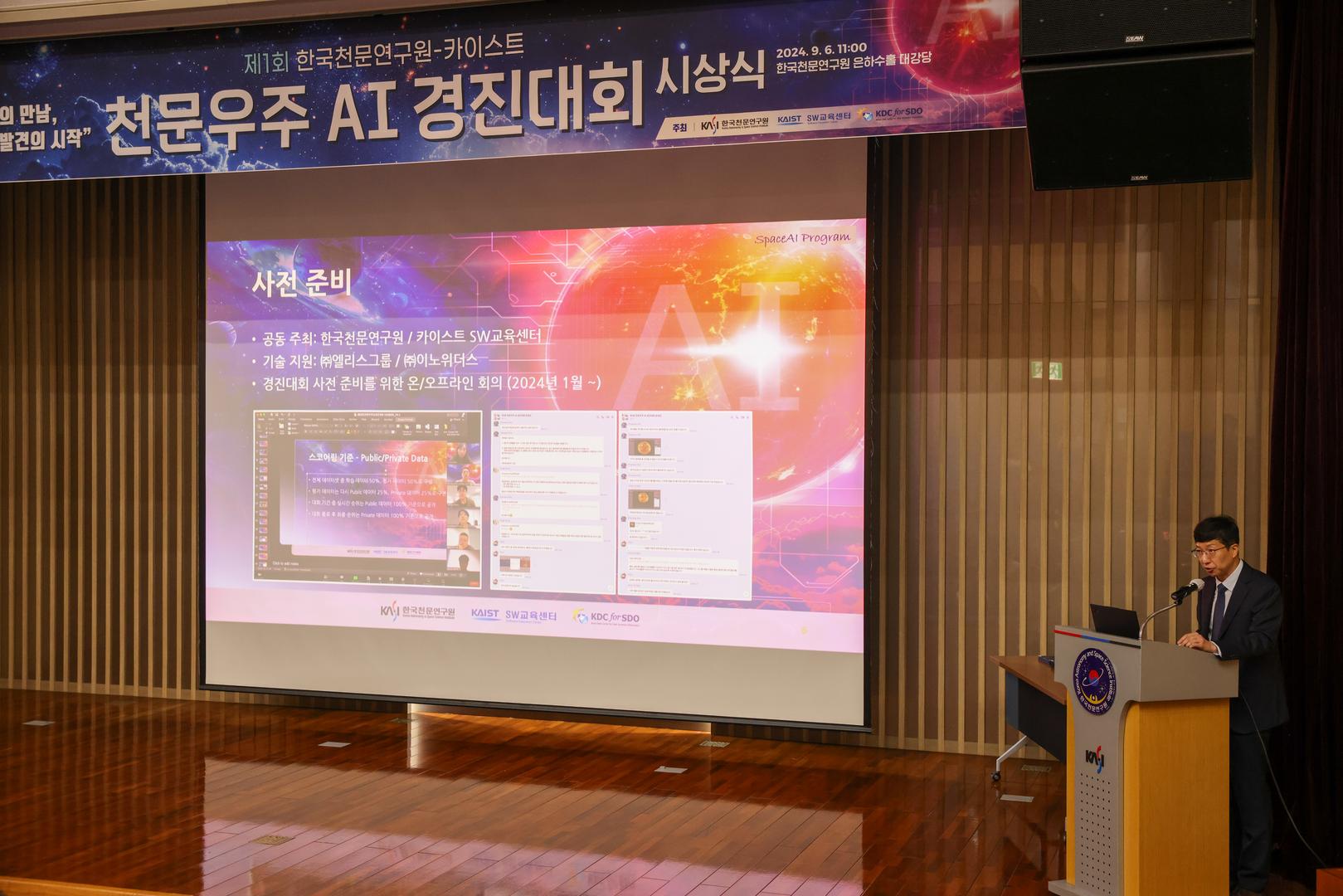
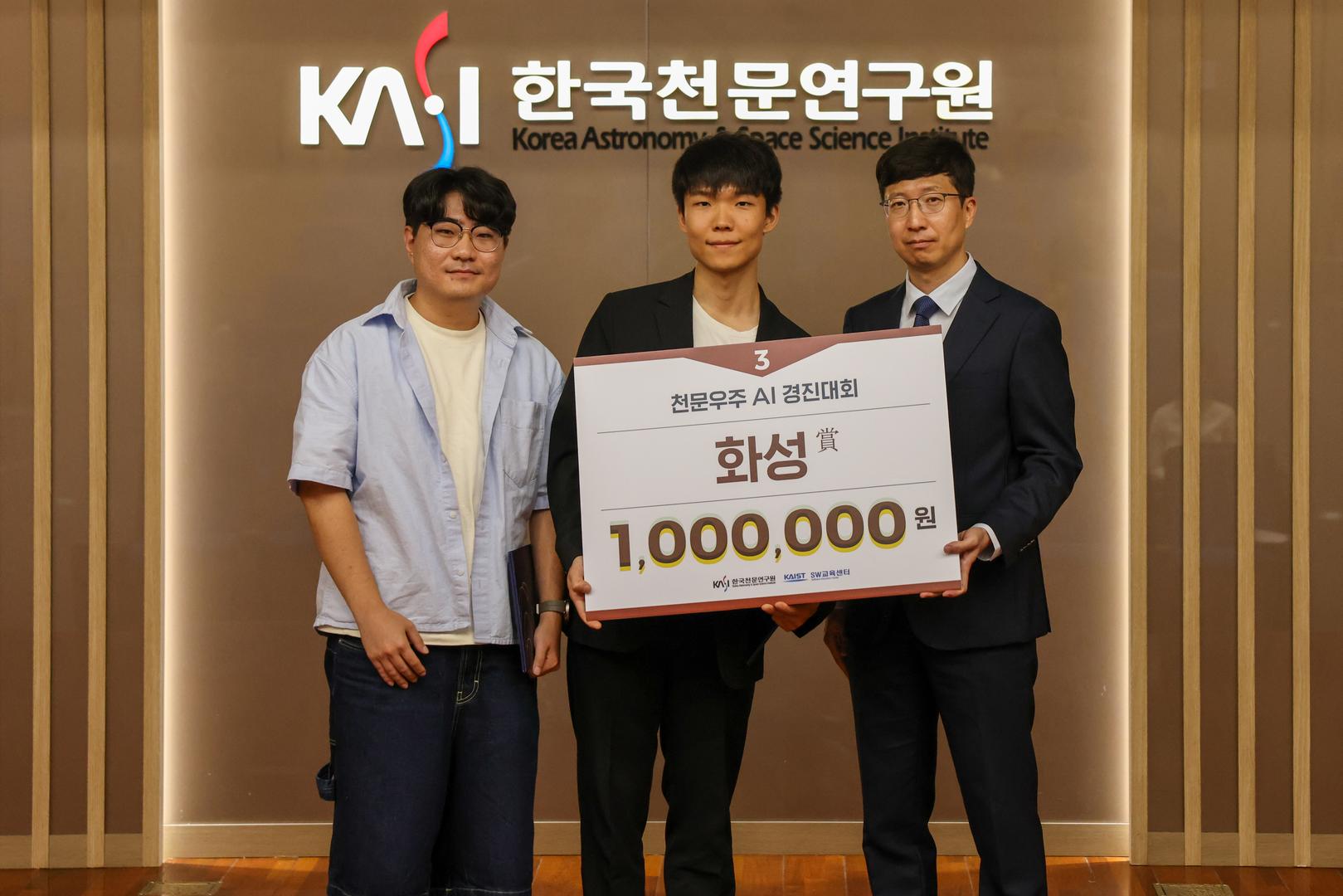
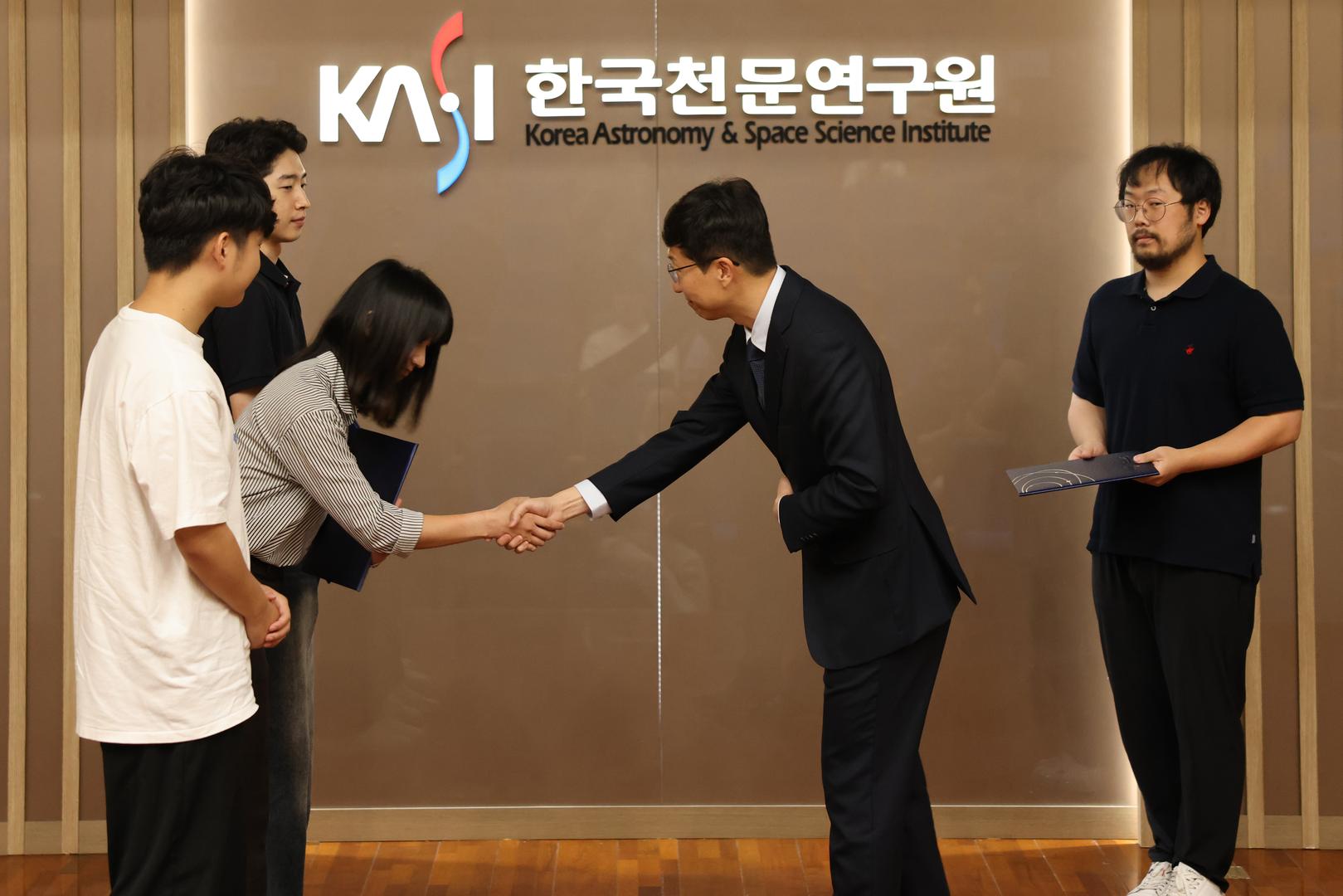
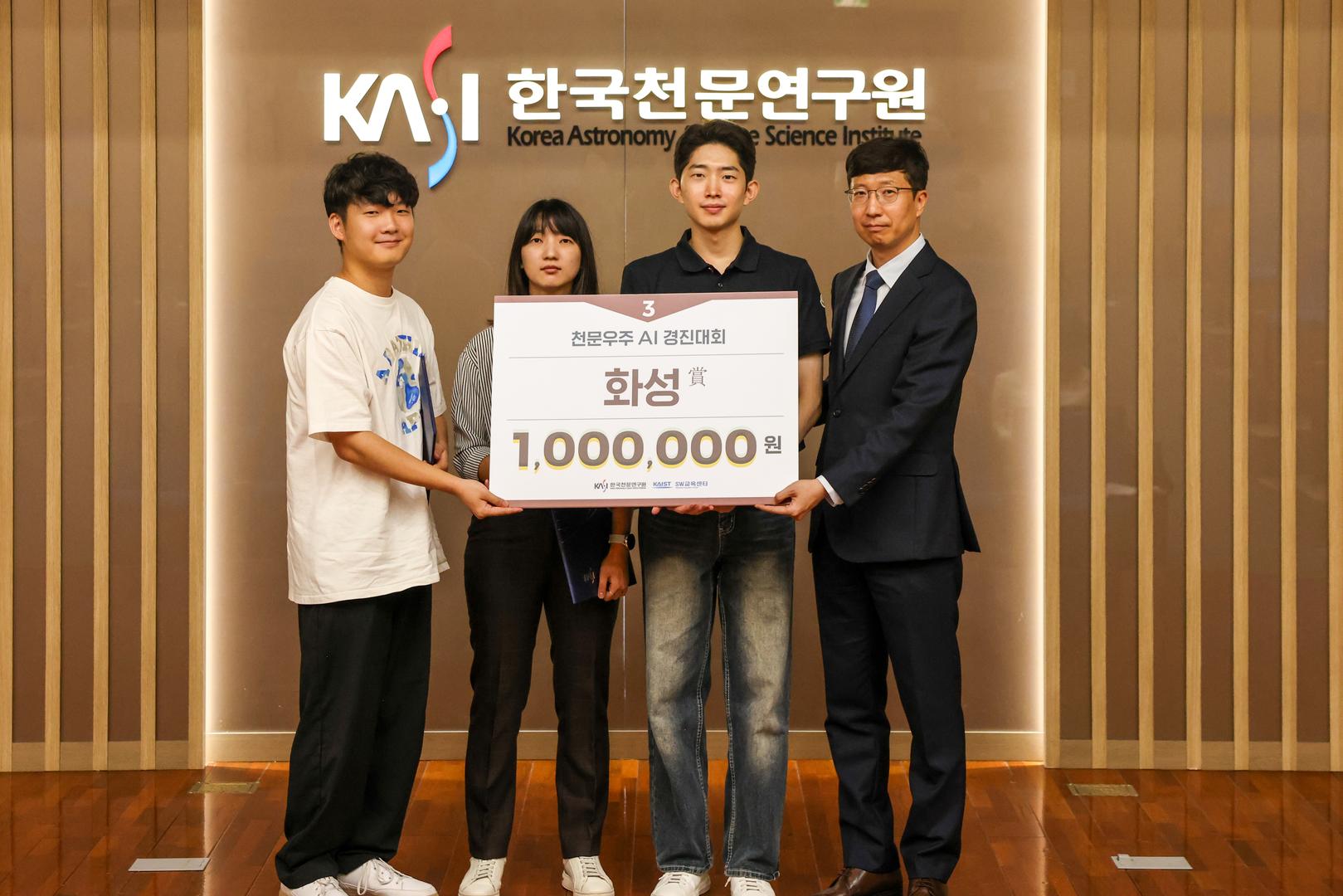
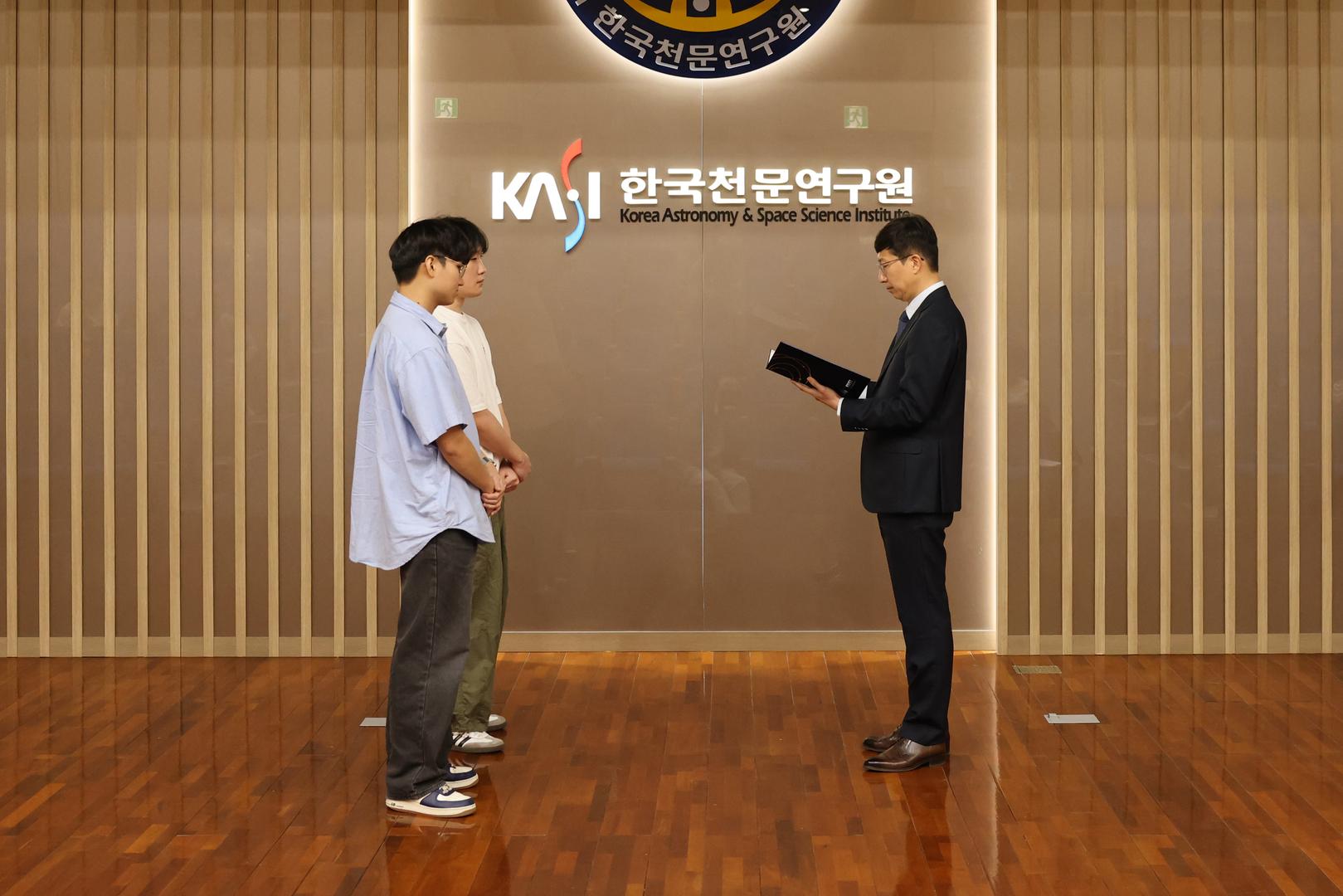
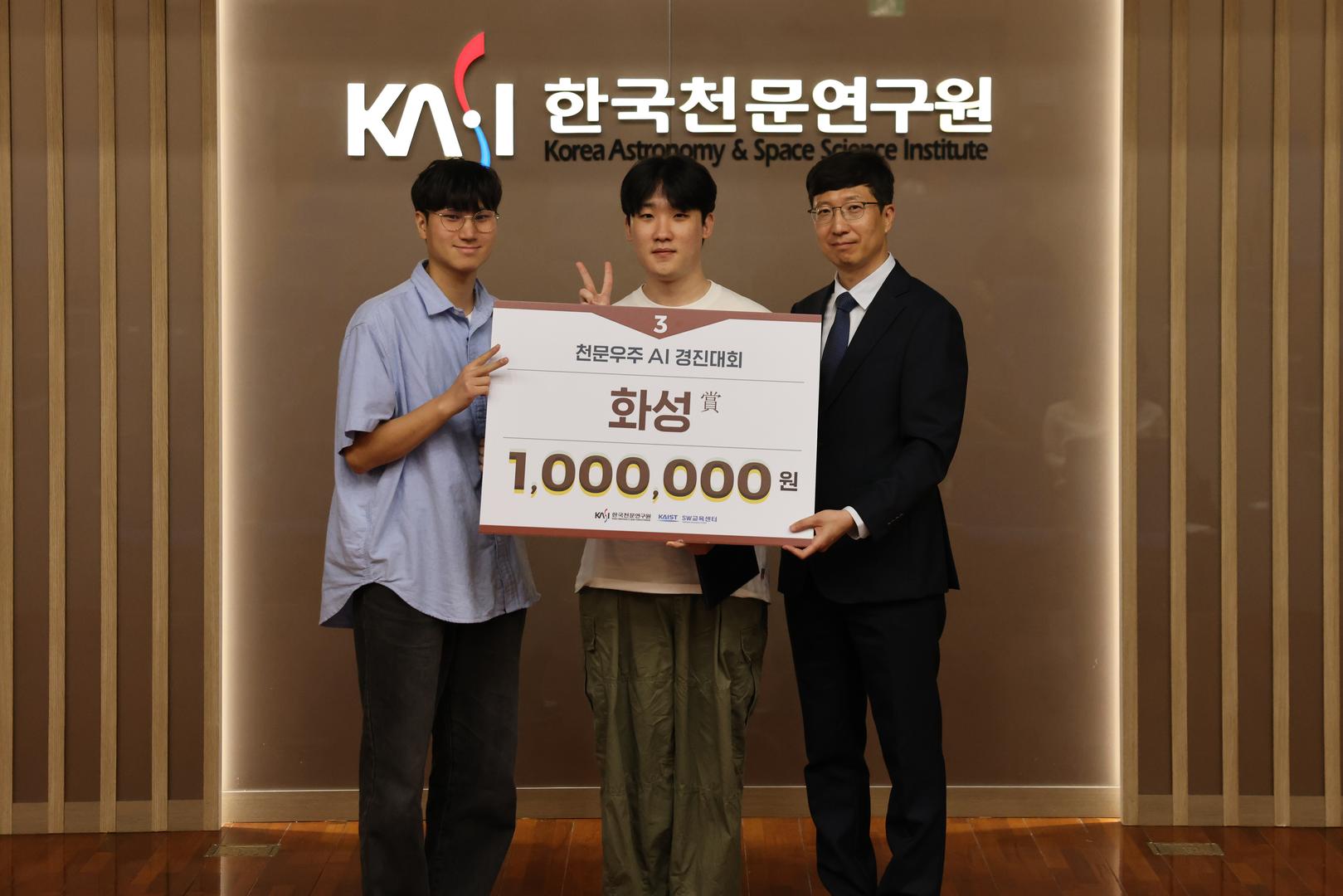
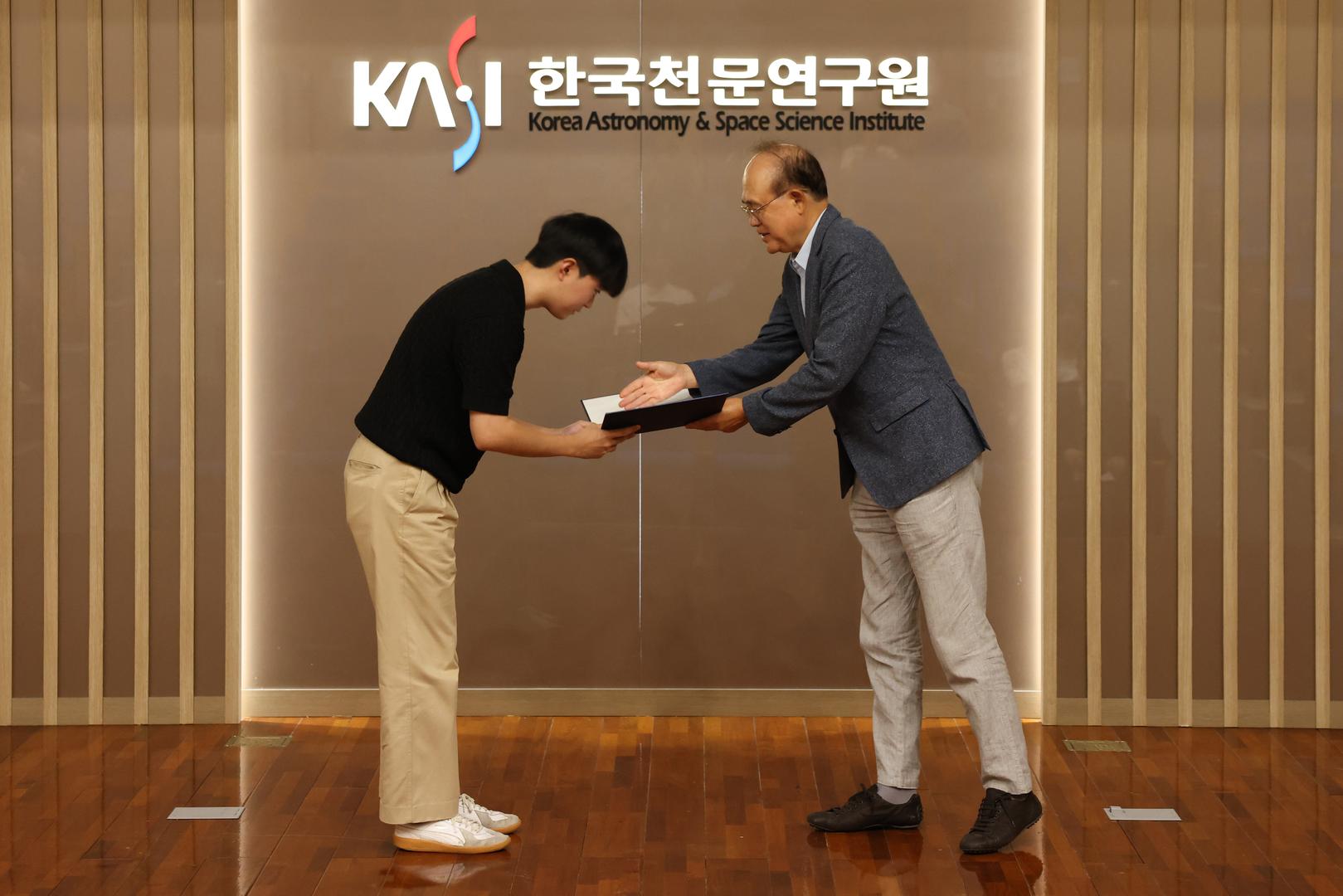
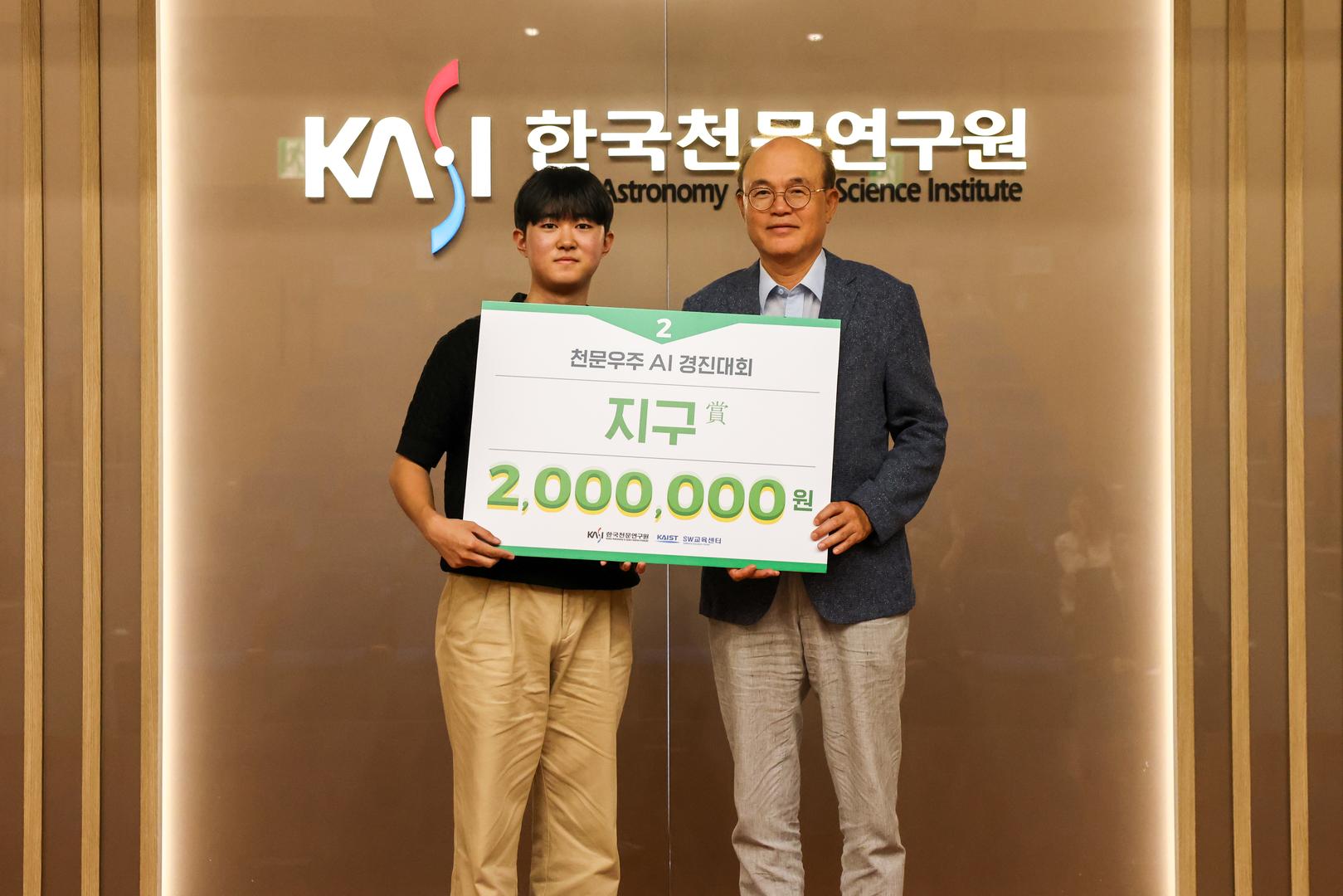
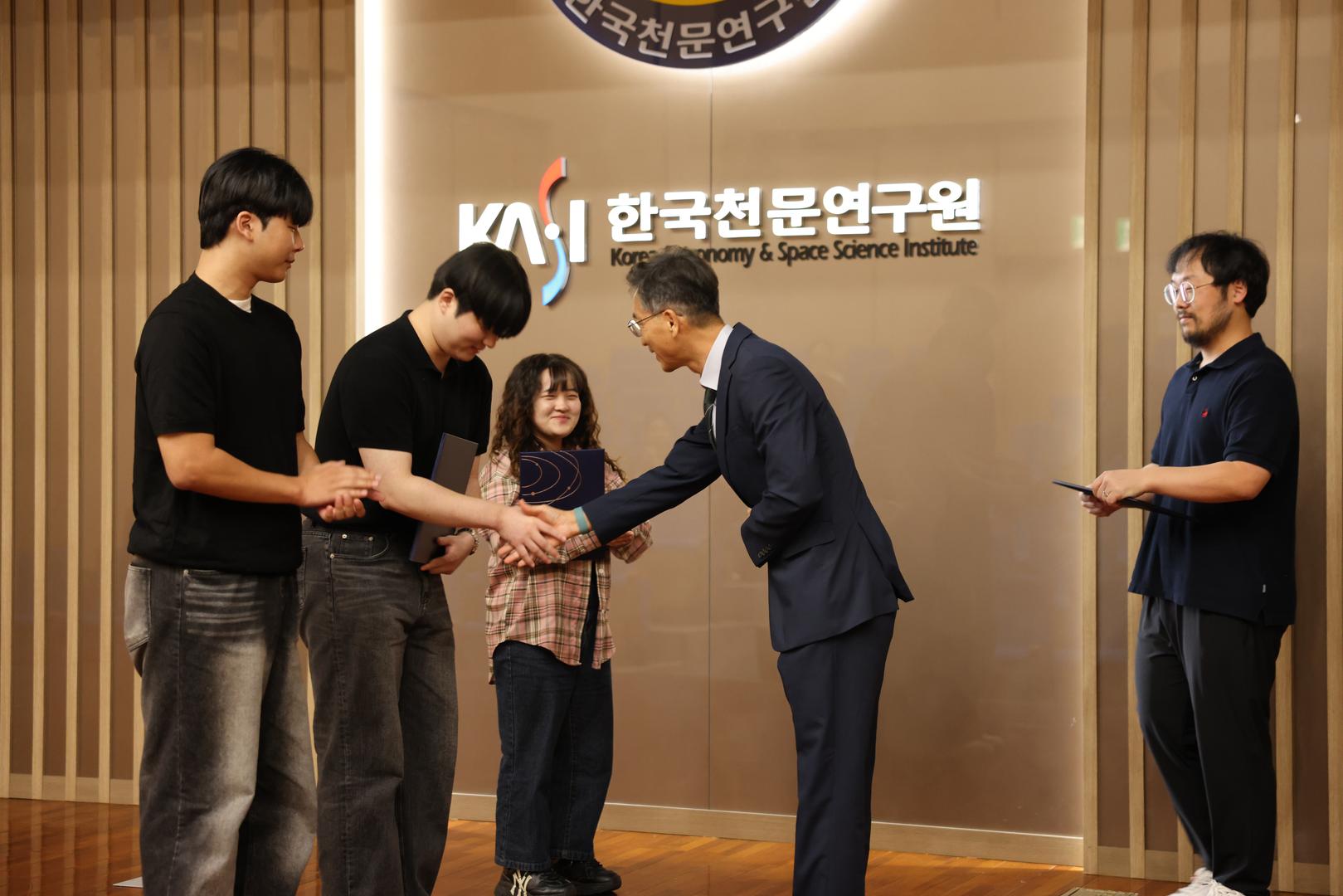
The Astronomy & Space AI Competition, hosted by KASI and KAIST, is designed to foster new research outcomes in space science by applying AI techniques and to evaluate the performance of AI models. Participants worked on tasks involving space-data analysis and AI model development. This competition served as a meaningful opportunity to advance space exploration and data analysis through the convergence of space science and AI.
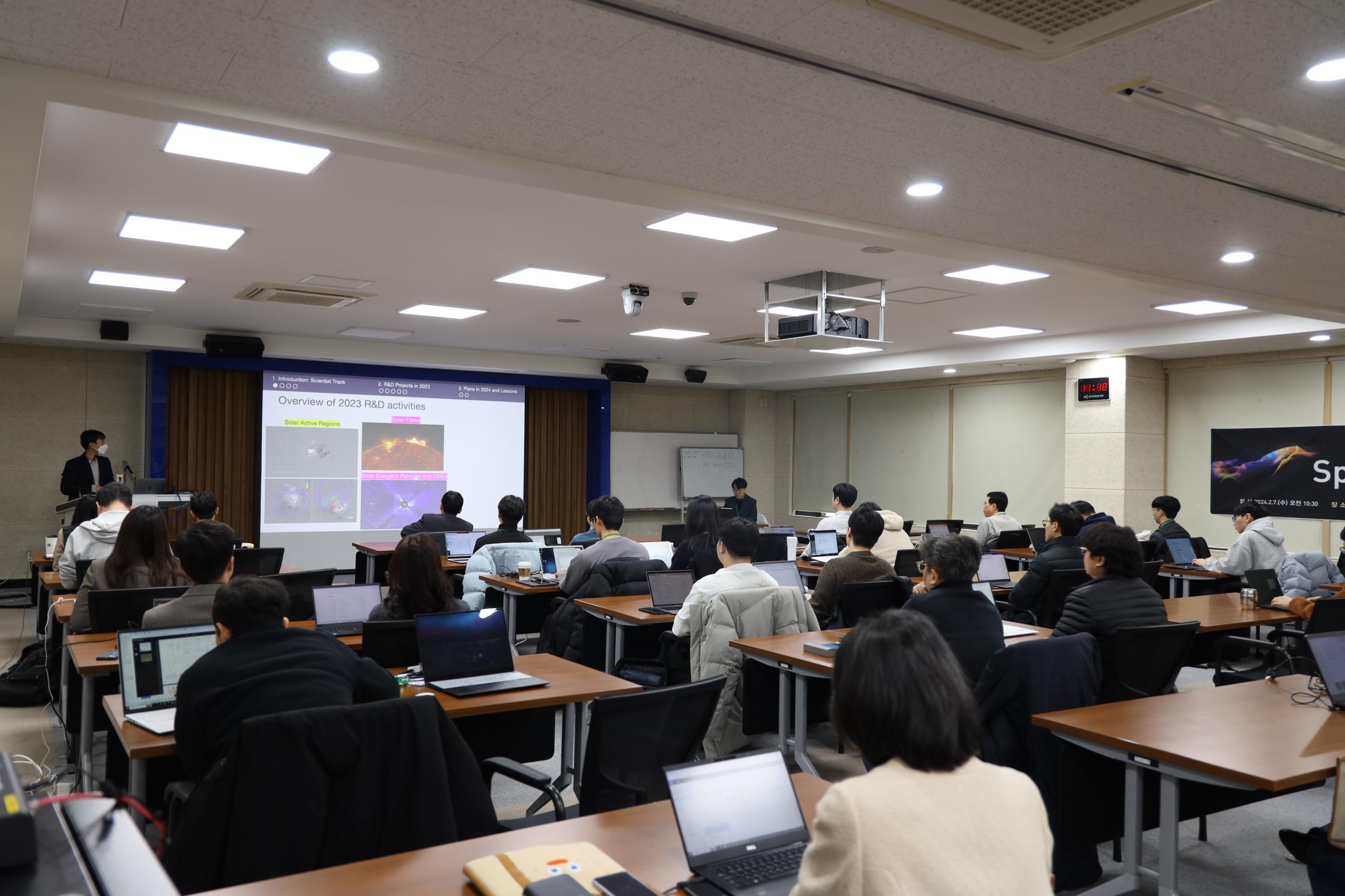
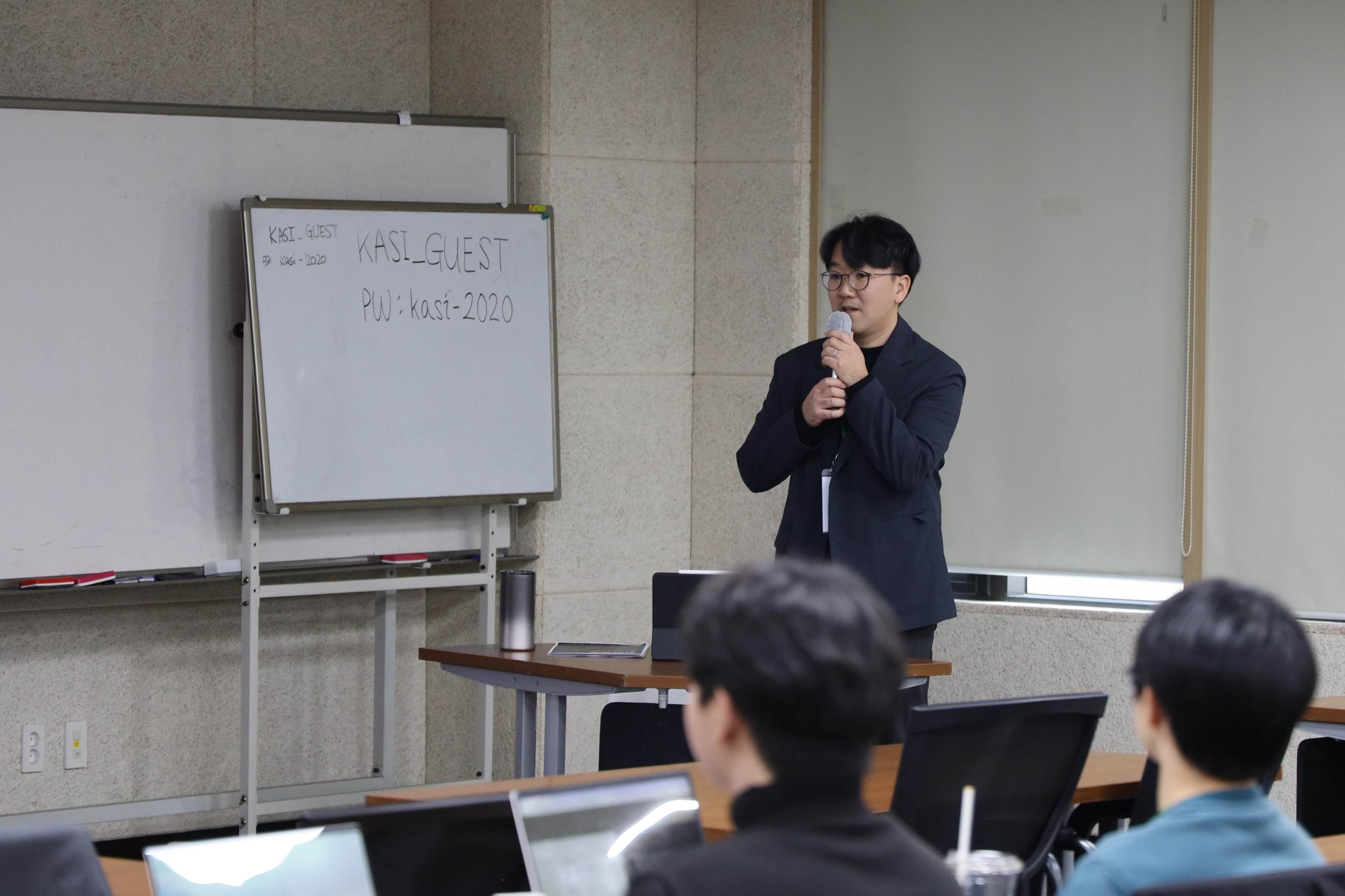
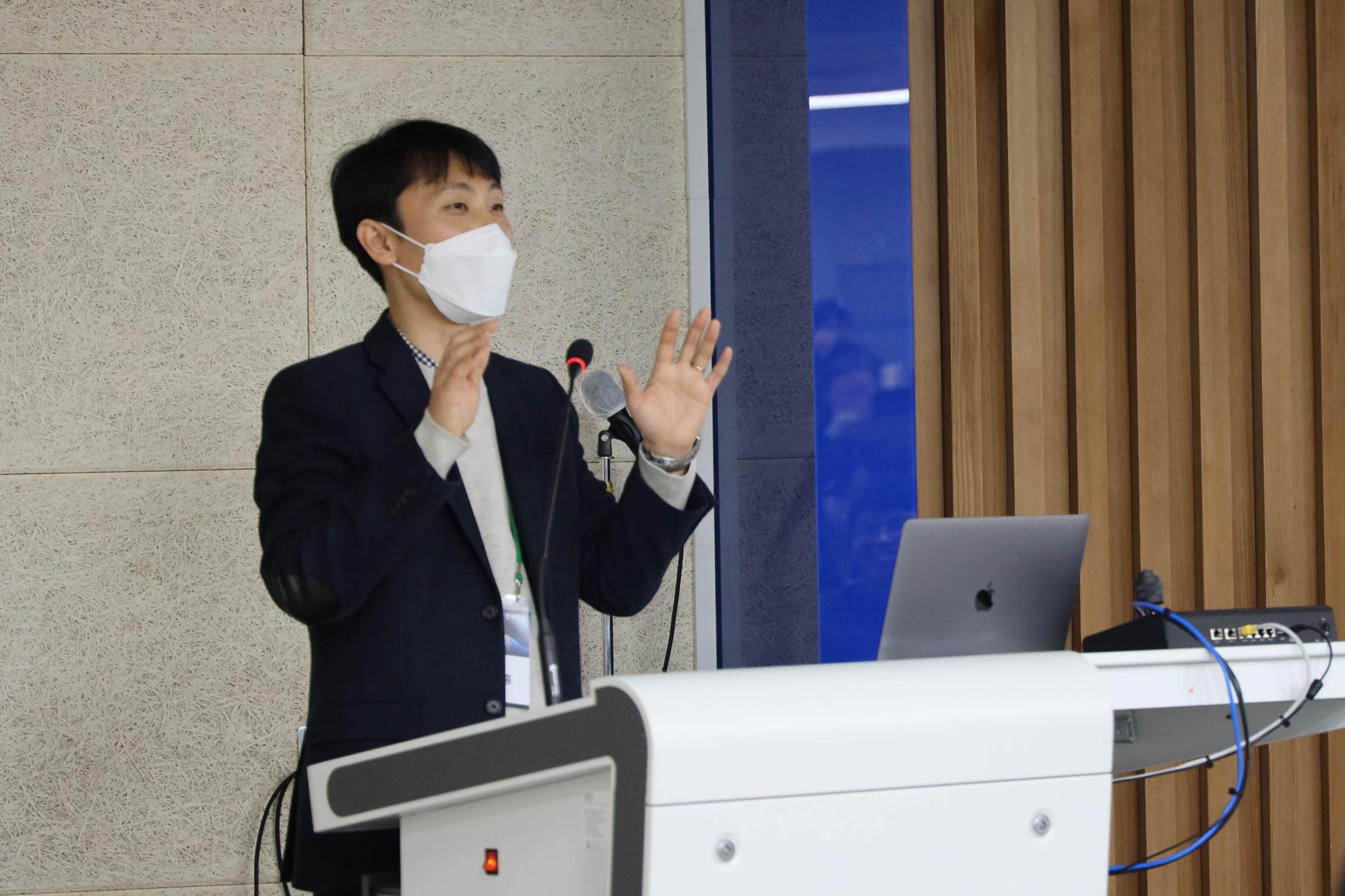
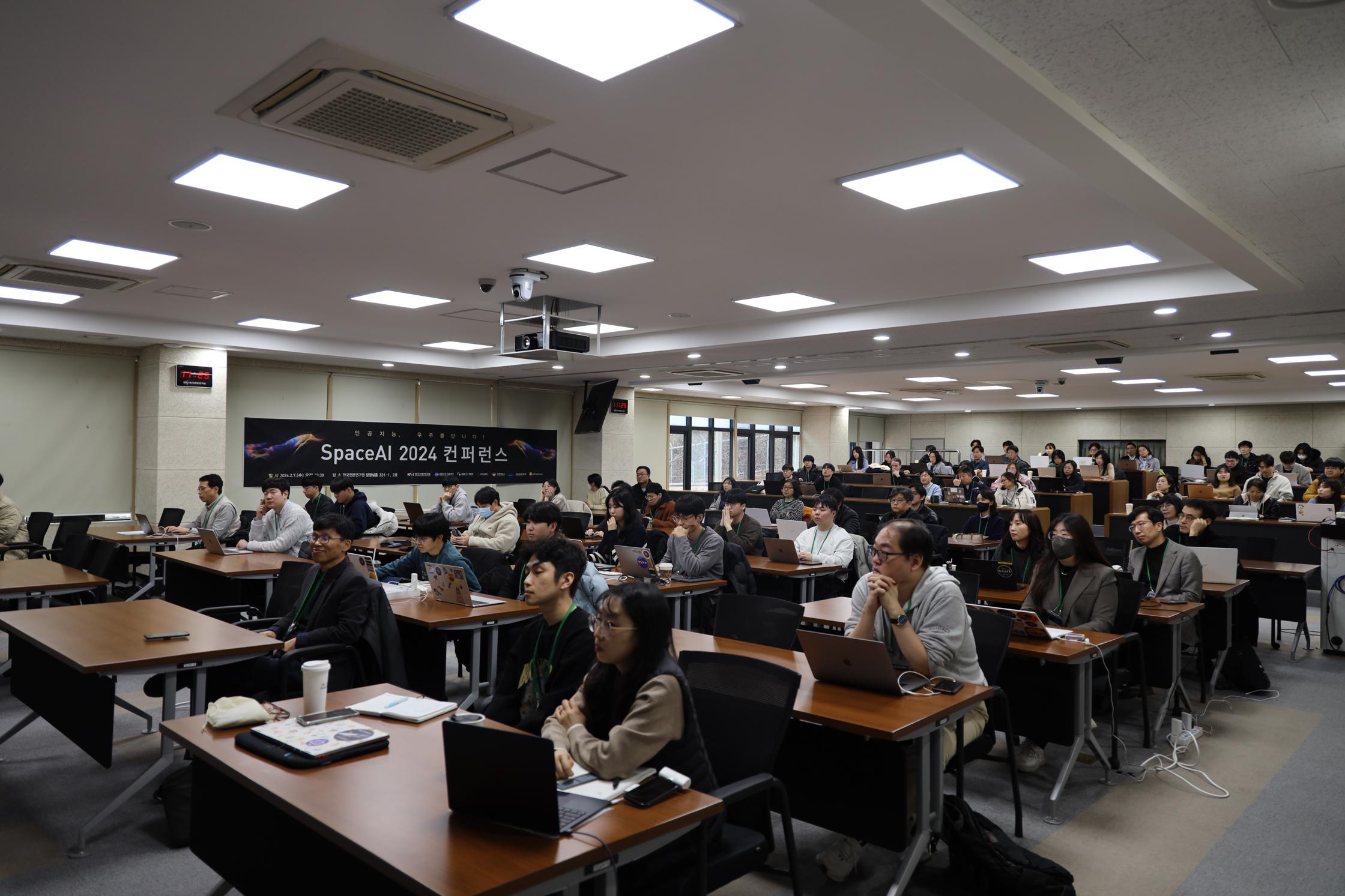
SpaceAI 2024 Conference
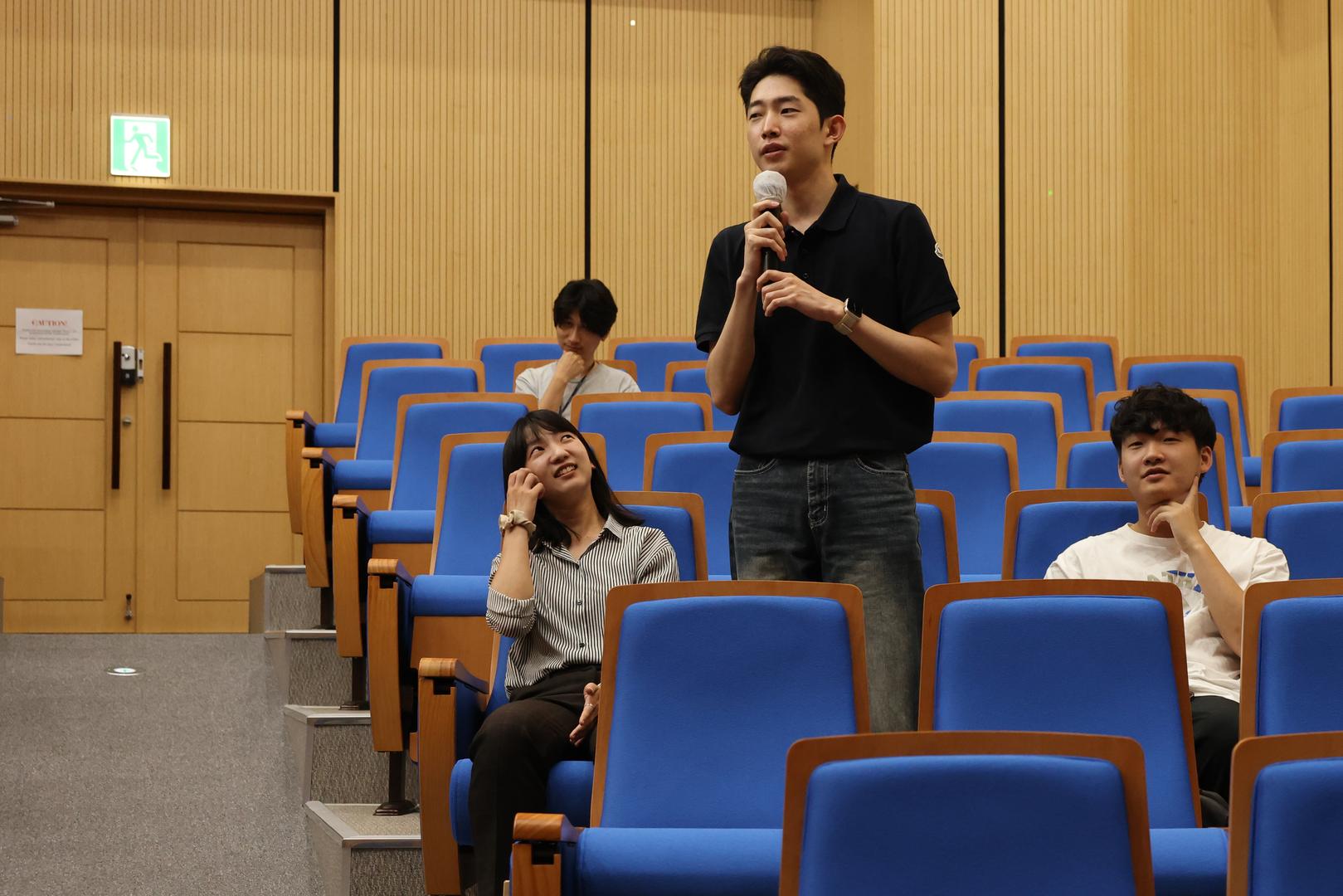
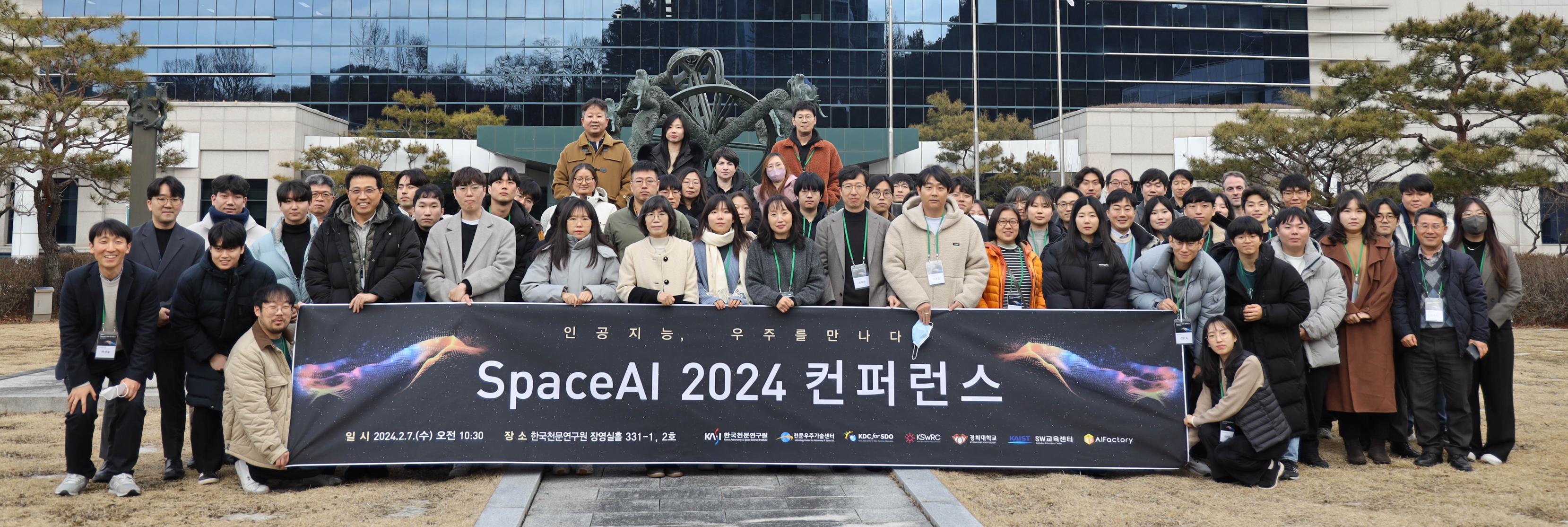
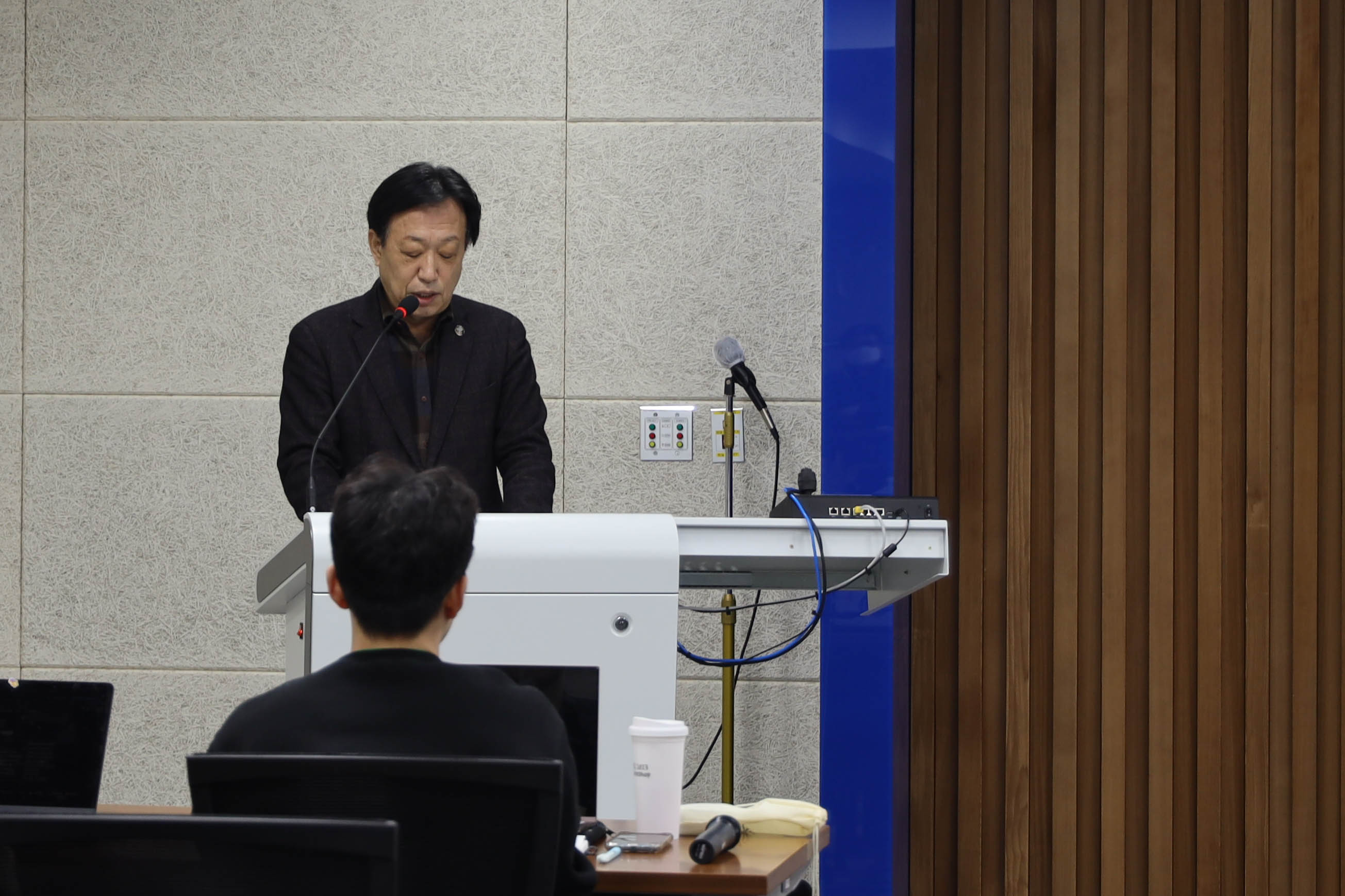
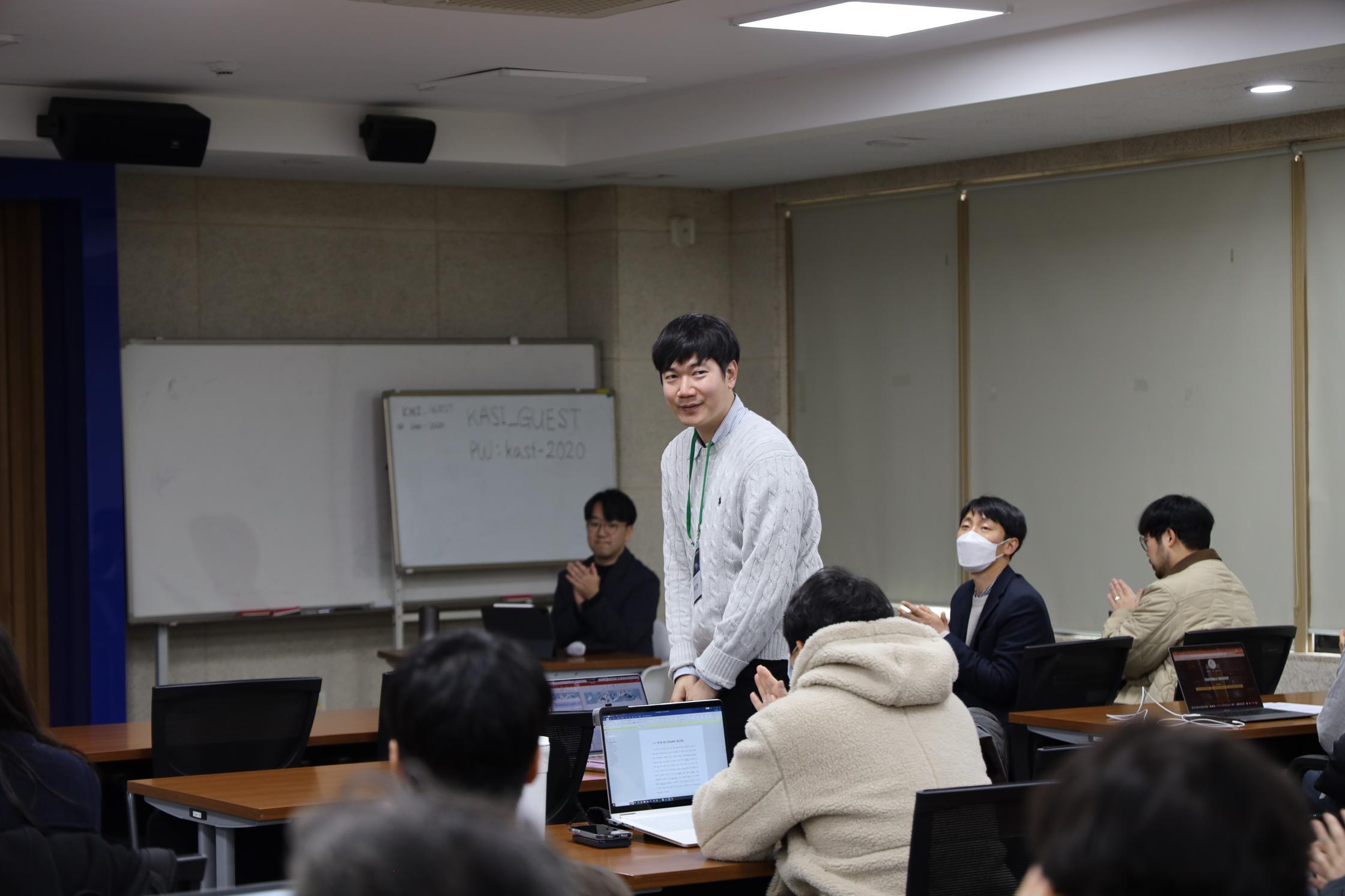
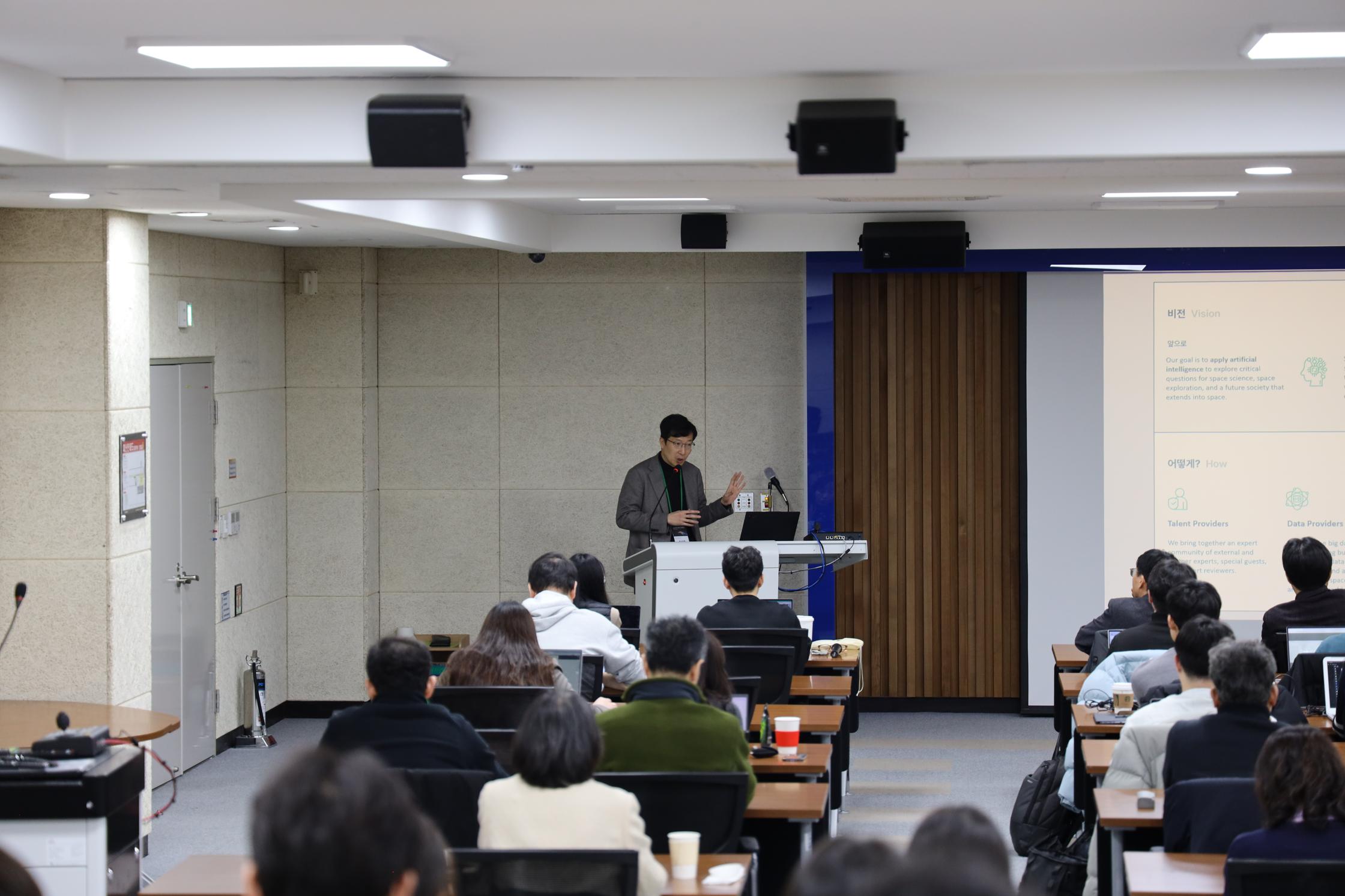
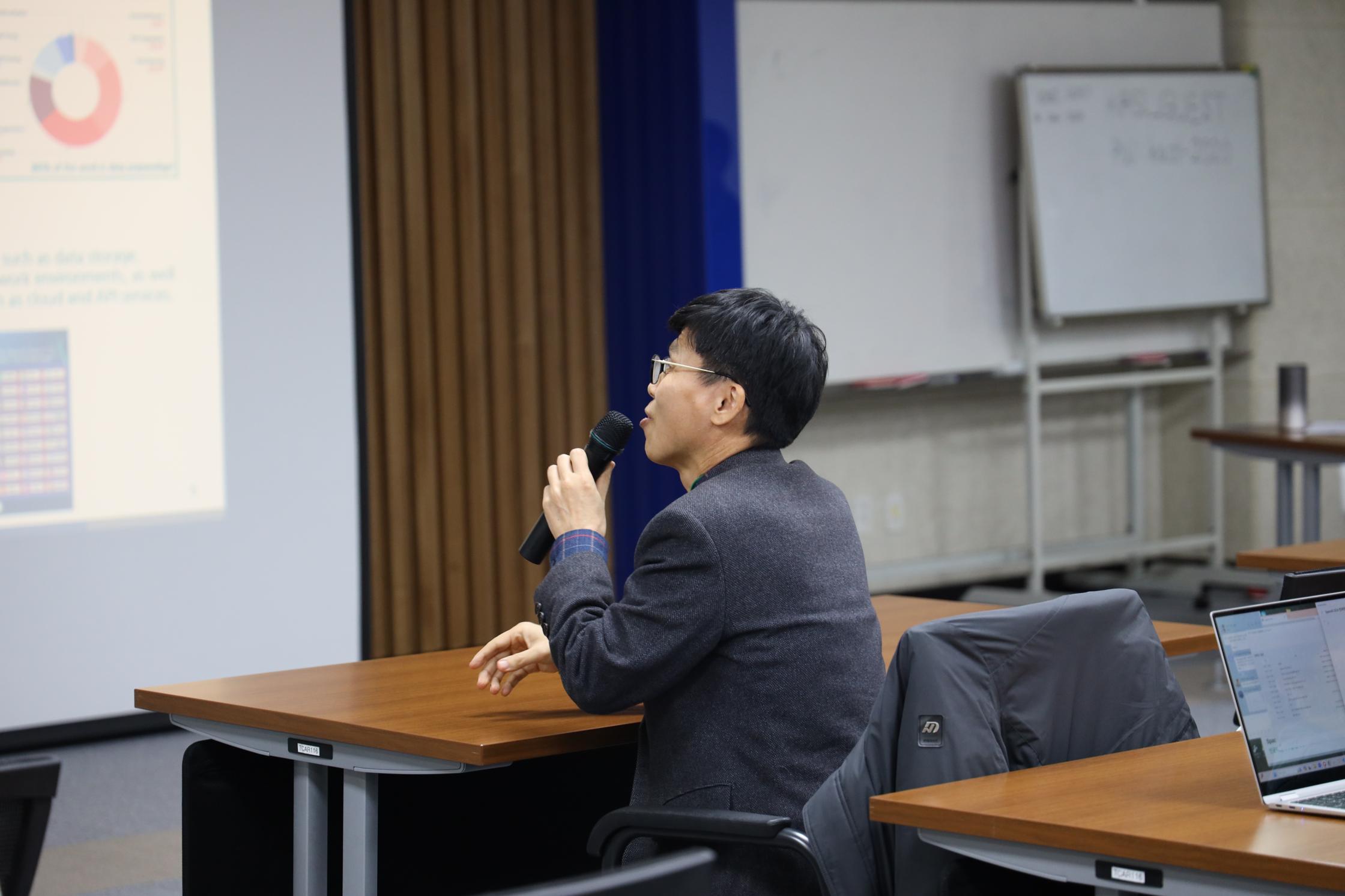
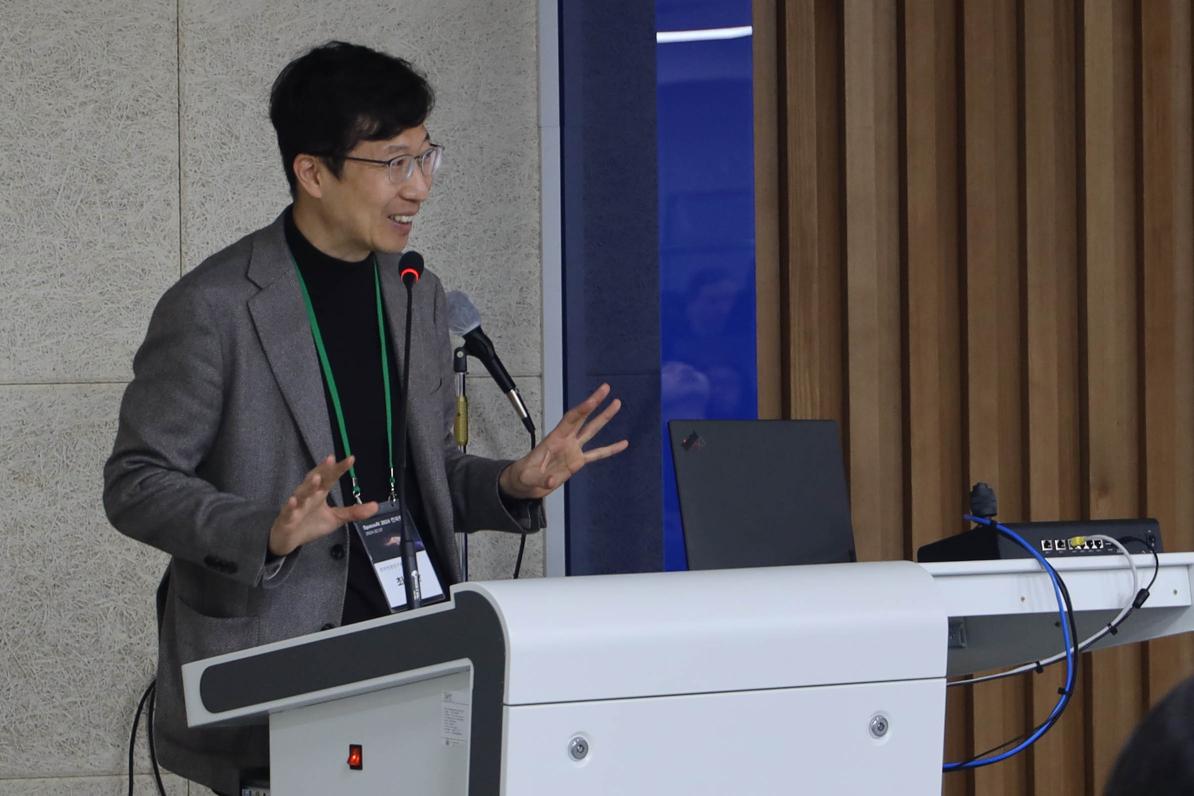
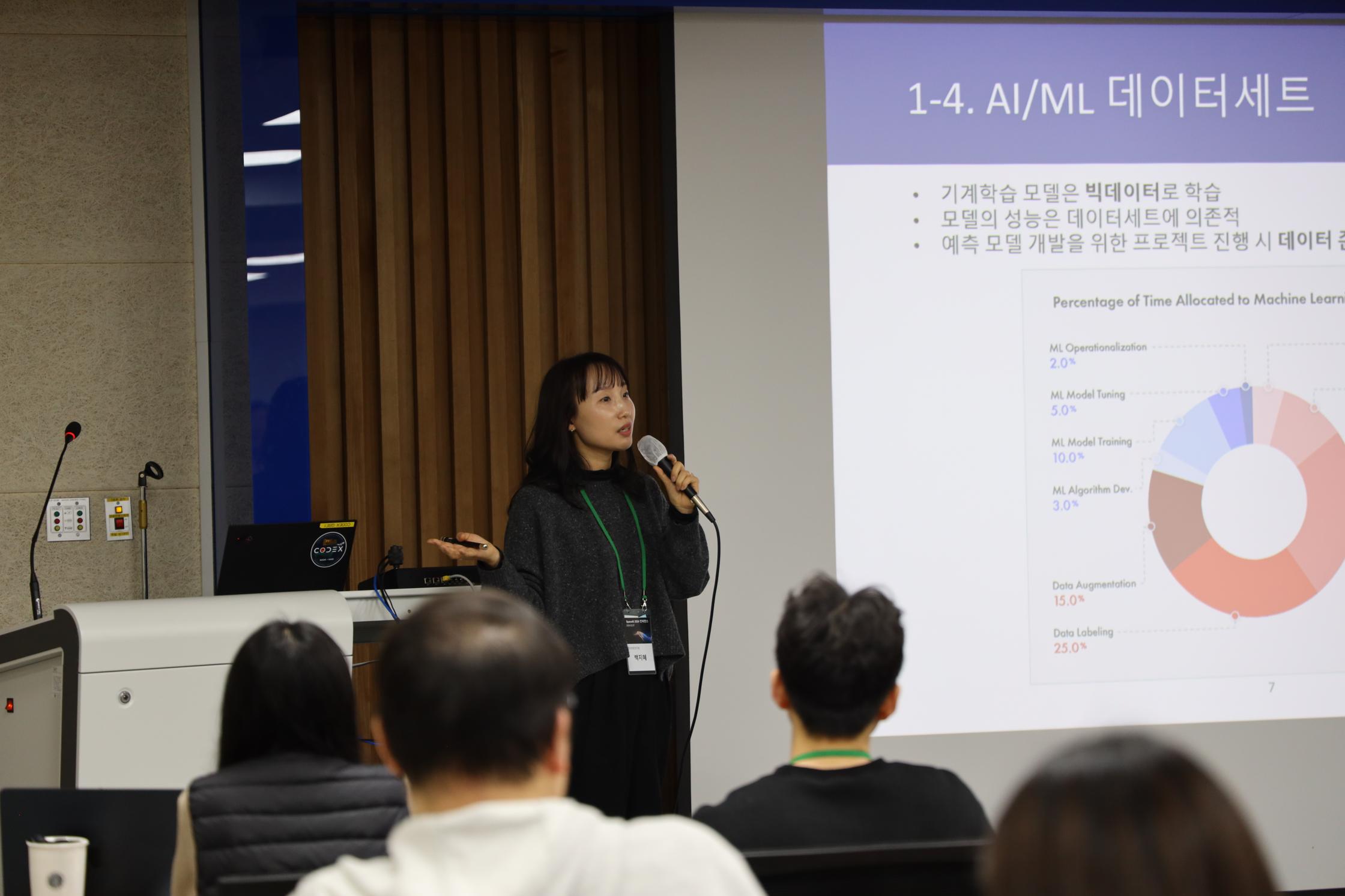
The SpaceAI 2024 Conference presented the activities and research conducted in SpaceAI during 2023.
Participants attended talks on a wide range of projects and activities carried out last year,
gaining insights into the program’s outcomes and future directions.
The conference emphasized the significance of past results, reaffirming the achievements of the SpaceAI program,
and focused on knowledge sharing and networking among participants.
Research Projects Conducted in the Scientist Track
Team Projects
- • Development of an optical alignment method using figure error information and AI (Yoon-Jong Kim et al.)
- • Aurora identification and prediction of auroral oval boundaries using satellite imagery (Se-Rin Jeon et al.)
- • Aurora detection using all-sky auroral images (Yu-Jin Cho et al.)
- • Research on satellite onboard AI-based technologies (Su-Bin Hwang et al.)
Individual Projects
- • Selection of EUV wavelengths for the L4 mission (Dae-Il Kim)
- • Prediction of heavy-ion charge-state ratios in the solar wind using satellite data in situ (Jung-Jun Seo)
- • Predicting external-galaxy radio skies from optical galaxy surveys using AI (Min-Kyung Yang)
- • Implementation of automatic tracking guidance using the target centroid on a slit (Hye-In Lee)
- • Development of a segmented-mirror alignment model using deep learning (Seung-Ho Han)